The Beginner's Guide on How to Fly Fish Effectively
If you’re wondering how to fly fish, you’ve come to the right place. This guide will walk you through the essentials, from understanding the basic principles to mastering your first cast. You’ll learn about the necessary gear, fundamental techniques, and effective strategies to start your fly fishing journey.
Key Takeaways
-
Fly fishing requires specialized gear, including a fly rod, reel, line, and flies, and understanding the basics is key to success.
-
Mastering casting techniques like the basic overhead cast, false casting, and roll casting is essential for presenting your fly effectively.
-
Choosing the right fly type - dry flies, nymphs, or streamers - based on conditions and fish behavior significantly increases your chances of a successful catch.
Understanding Fly Fishing Basics

Fly fishing is an art that combines skill, knowledge, and a deep appreciation for the natural world. Unlike traditional fishing methods, fly fishing uses artificial flies and specialized gear to mimic the behavior of insects and other prey, enticing fish to strike. The gear you use plays a crucial role in your success, and understanding the basics is the first step toward becoming a proficient fly angler (often referred to as fly fishers, who are individuals passionate about pursuing this unique sport).
At its core, fly fishing requires a few essential pieces of equipment:
-
a fly rod
-
fly reel
-
fly line (specifically, fly fishing line, which is specialized compared to traditional fishing line; fly fishing line is designed for casting lightweight flies, while standard fishing line is used in other fishing methods)
-
leader
-
tippet
-
fly boxes
-
a selection of flies
Each component of your fly fishing setup is designed to work together, allowing you to cast lightweight flies with precision and accuracy. Using light lines can further improve casting distance and help present your flies more naturally to the fish.
Delving deeper into fly fishing reveals the importance of choosing the right gear and mastering effective techniques for catching fish. Knot tying is also a crucial skill, as it ensures your flies and leaders are securely attached for optimal performance.
What is Fly Fishing?
Fly fishing is a unique and adventurous method of fishing that has been practiced for centuries. Unlike conventional fishing, which often relies on heavy lures or bait, fly fishing uses lightweight artificial flies to imitate insects and other small prey. These flies are cast using a specialized fly rod and fly line, which allows the angler to present the fly delicately on the water’s surface or beneath it. There are various types of fishing that enthusiasts can explore. Freshwater fishing is a major branch of fly fishing, targeting species in lakes, rivers, and streams.
The history of fly fishing dates back over a thousand years, with key milestones including:
-
The first recorded instance appearing in the 2nd century, 200 CE.
-
Gaining popularity in Eastern Europe.
-
Spreading to Great Britain in the 15th and 16th centuries. After its spread to Great Britain, brown trout and rainbow trout were introduced to new regions, playing a significant role in establishing the sport and becoming iconic species for fly anglers.
Fly fishing is often seen as more challenging than traditional fishing due to its specialized techniques and gear. However, for those who enjoy a challenge and have experience in other sports, the principles of physics involved in fly casting can ease the learning process. Trout fishing is a classic pursuit for the fly fisherman, with species like brook trout and cutthroat trout being iconic targets in North America. (The term "fly fisherman" is traditionally used to describe those who practice the sport.)
Essential Fly Fishing Gear
Starting your fly fishing journey requires essential gear:
-
Fly rod
-
Fly reel
-
Fly line
-
Leader
-
Artificial flies
Wading boots are also important for safety and grip when fishing in rivers, especially on rocky or slippery riverbeds.
Fly rods come in various sizes and weights, typically ranging from 8 to 9.5 feet in length and 3 to 7 weight; a 9-foot 5-weight rod is a popular choice for beginners.
Your fly reel should match the rod’s weight and feature either a disc drag or click and pawl system, with disc drag being preferable for heavier rods. Modern fly lines are often designed with a weight-forward taper, making them easier to cast and allowing the fly to reach the fish more effectively. In contrast, braided line is commonly used in spin or bait fishing for its casting distance and strength, but is not typically used in fly fishing. Additionally, selecting the right fly reels can enhance your overall fishing experience.
Artificial flies come in various shapes and sizes, designed to mimic different types of prey. Using barbless hooks can make it easier to release fish and increase their chances of survival. As you become more experienced, you’ll learn to customize your gear to suit different fishing conditions and target species, including attractive flies, artificial lures, and artificial fly. Visiting a fly shop or local fly shop is a great way to get expert advice, test equipment, and receive recommendations tailored to your needs and local fishing conditions.
Choosing the Right Fly Rod
The right fly rod is crucial for success and enjoyment in fly fishing. Fly rods are categorized by their action - slow action rods, medium, and fast - which affects casting distance and fly presentation. Fast action rods, with their stiff tips, are ideal for long, precise casts and provide superior fighting power and quicker recovery. For beginners, a 9-foot 5-weight rod with medium to medium-fast action is recommended.
The weight of the rod you choose should match the type of fishing you plan to do. For instance, a 3-weight rod is suitable for small mountain streams and tiny flies; these rods are ideal for targeting small trout and casting small flies with precision. On the other hand, a 16-weight rod is necessary for targeting large fish like blue marlin.
Avoid using a 5-weight rod for large, powerful fish to prevent damage to your gear and ensure a successful catch. When targeting large trout, use heavier rods and tippets to ensure you can land them effectively. By selecting the right rod, you’ll be better equipped to handle different fishing scenarios and improve your chances of success.
Mastering Fly Casting Techniques

Aspiring fly anglers must master fly casting techniques. Proper casting presents your fly accurately and delicately, increasing your chances of enticing fish to strike. Learning to cast line efficiently is fundamental to fly fishing. A well-balanced fly rod and reel setup ensures stability and control during your cast.
Fly casting relies on the weight of the fly line rather than the lure or bait to propel the fly, requiring a unique set of skills and techniques. During the forward cast, the angler whisks the rod tip forward to generate momentum for the cast. From the basic overhead cast to more advanced techniques like false casting and roll casting, each method has its own applications and benefits.
Basic Fly Cast
The foundation of all fly fishing techniques is the basic fly cast, specifically the standard overhead cast. To begin, let out about one rod length of line and hold the rod at a neutral position, or 12 o’clock. The key to a successful cast lies in the timing and synchronization between the rod movement and line tension.
Start the back cast by:
-
Moving the rod from the neutral position to the 2 o’clock position, loading the rod with energy.
-
Then, transition smoothly into the forward cast.
-
Accelerate the rod and stop abruptly at the 10 o’clock position to release the line.
A smooth back cast is essential for achieving an effective forward cast, ensuring the fly lands gently on the water. Mastering this basic technique will set the foundation for more advanced casting methods.
False Casting
False casting is a technique where the angler moves the rod forward and backward without letting the fly touch the water. This method helps manage line length and control, allowing you to adjust the line and present the fly more accurately before making the final cast.
False casting is useful for drying out a fly and changing directions mid-cast.
Roll Casting
Roll casting is an essential technique for situations where a back cast isn’t feasible, such as when fishing in tight spaces or near obstacles. To perform a roll cast, keep the rod tip up and your hand parallel to your ear, then smoothly accelerate into the forward cast, creating a loop that rolls the line forward. This technique is especially useful for positioning the fly closer to the water surface when using sinking lines.
A common mistake in roll casting is allowing the floating line to drop and pile in front of you instead of smoothly unfurling above the water. Practicing this technique improves accuracy and presentation, making you a more versatile and effective fly angler.
Selecting and Using Flies
Selecting the right flies is a critical aspect of fly fishing. The type of fly you use depends on various factors, including the water type, fish behavior, and presentation technique. These factors help you choose flies that effectively mimic the natural prey of your target fish. Imitative flies, crafted with careful attention to fly design, are essential for matching local aquatic insects and replicating the appearance and behavior of natural insects that fish feed on.
Fly patterns can be broadly categorized into three types: dry flies, nymphs, and streamers. Each type serves a different purpose and is used in specific conditions. We’ll delve into these categories in the following subsections, providing you with the knowledge to make informed fly selections and increase your chances of success.
Dry Flies
Dry flies are designed to float on the water’s surface, imitating adult insects such as mayflies, caddis flies, and terrestrials. These flies are best used during insect hatches or when insects are visible on the water’s surface. Common dry fly patterns include the Royal Wulff, parachute adams, and elk hair caddis, each tailored to represent different insects.
Using dry flies effectively requires a delicate presentation to avoid spooking the fish. A drag-free drift, where the fly floats naturally with the current, is crucial for imitating the behavior of natural insects and enticing fish to strike. This technique ensures a natural drift that can significantly increase your chances of success with dry fly fishing.
Nymphs
Nymphs are flies that imitate the immature stages of insects and are fished below the water’s surface. Since trout feed below the surface about 90 percent of the time, nymphing can be highly effective. Heavier flies, such as the BH Prince Nymph and Jiggy Tungsten CDC Flashback Pheasant Tail, help present the fly deeper in the water column.
Using a sinking tip fly line and attaching a visible strike indicator to the leader are effective nymphing techniques for sinking flies. These methods ensure that your fly reaches the desired depth and makes it easier to detect strikes.
Streamers
Streamers are designed to mimic the movement of baitfish (often referred to as a streamer fly) and are effective for targeting larger fish. These flies are fished actively, often retrieved in short, quick strips to imitate a fleeing baitfish. Popular streamer patterns include the Woolly Bugger, Zonker Minnow, and Meat Whistle, each known for their effectiveness and lifelike movement.
In addition to streamer patterns, wet flies and the wet fly technique are also used to imitate small fish and bait fish below the surface, providing another effective approach for targeting trout and other species.
Fishing with streamers requires a more aggressive approach, and casting upstream allows the fly to drift naturally with the current before being retrieved. Streamers are particularly useful in spring creeks and other environments where larger fish are present.
Fly Fishing Locations and Strategies
The location you choose for fly fishing can significantly impact your success. Different environments require different strategies and techniques to catch fish effectively. Fish fly fishing techniques can be adapted to different environments, such as using subtle presentations and matching hatches in spring creeks or heavily pressured waters for better results. Understanding the behavior of fish and the characteristics of the water you’re fishing in will help you select the right flies and presentation methods.
From mountain streams to ponds and lakes, and even saltwater environments, each location offers unique challenges and opportunities. Fishing in these still waters often involves targeting specific structures. Observing and casting near visible fish, such as cruising trout, can greatly increase your chances of success. The following subsections explore specific strategies for various environments, helping you adapt your approach to maximize success.
Mountain Streams
Mountain streams are characterized by fast-moving water and abundant structures like rocks and undercuts where fish seek shelter. The best time to fish in these streams is early morning when insect activity is at its peak, attracting fish to feed. Roll casting is particularly useful in these environments, allowing you to cast effectively in tight spaces without needing a back cast.
Understanding fish behavior in mountain streams is crucial. Fish often hide in structures to avoid predators, so targeting these areas with accurate casts increases your chances of catching fish.
Ponds and Lakes
Ponds and lakes offer a different set of challenges compared to fast-moving streams. Fishing in these still waters often involves targeting specific structures like drop-offs and submerged logs where fish are likely to congregate.
A boat can help you cover more area and access deeper waters, increasing your chances of catching fish. Patience and a strategic approach are vital in these environments.
Saltwater Fly Fishing
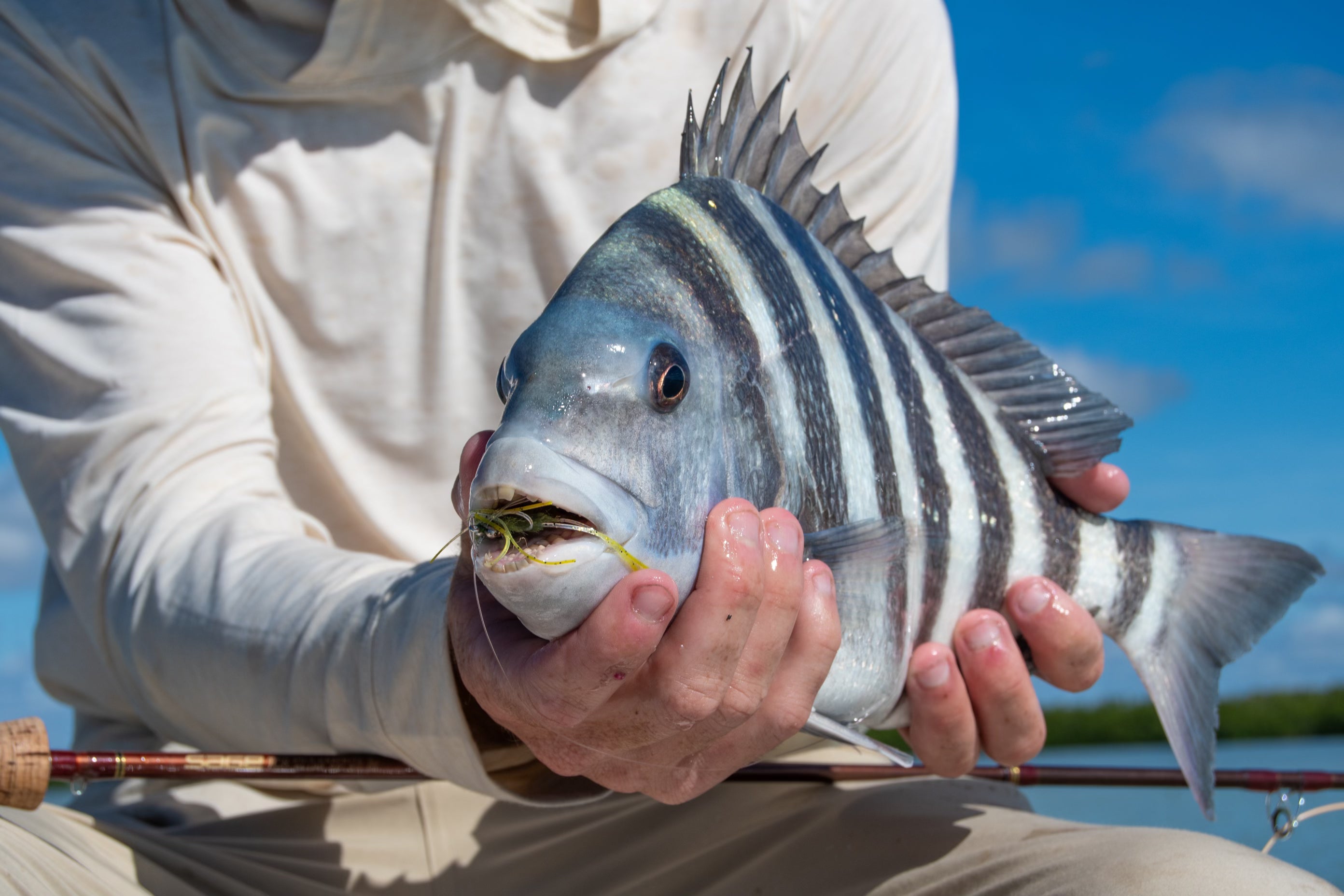
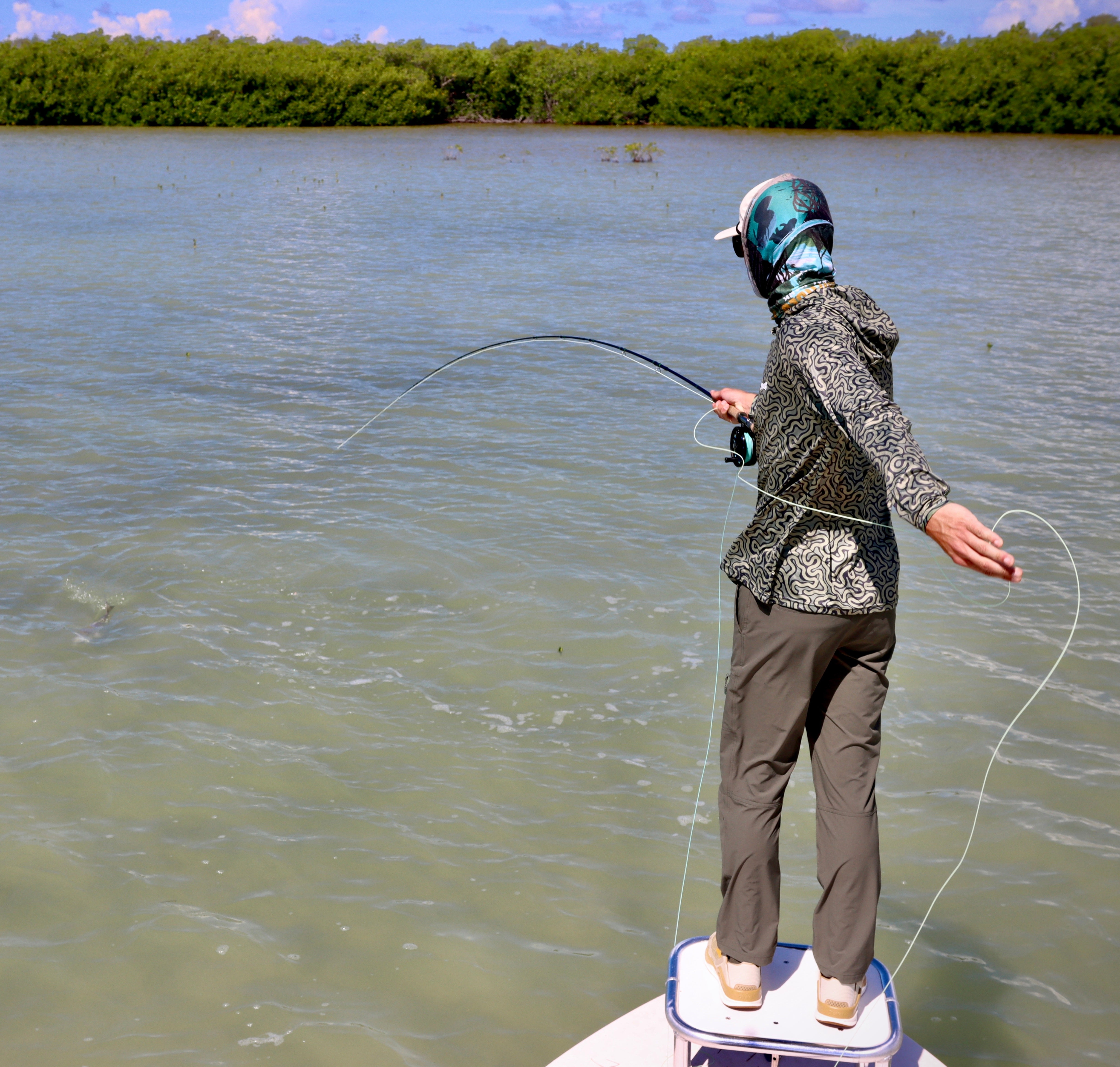
Saltwater fly fishing opens up a world of opportunities to target species such as striped bass and tarpon in coastal areas. This type of fishing requires specialized gear that can withstand the harsh marine environment, including:
-
rods
-
reels
-
lines designed for saltwater use. Saltwater flies for saltwater fly fishing often involve targeting fish near structures like:
-
reefs
-
mangroves where predatory fish are likely to hunt.
Using streamers can be particularly effective in saltwater fly fishing, as they mimic the movement of baitfish and attract larger predatory fish. Adapting your casting techniques and presentation methods to the saltwater environment will improve your chances of success and make for an exciting fishing experience.
Handling and Releasing Fish
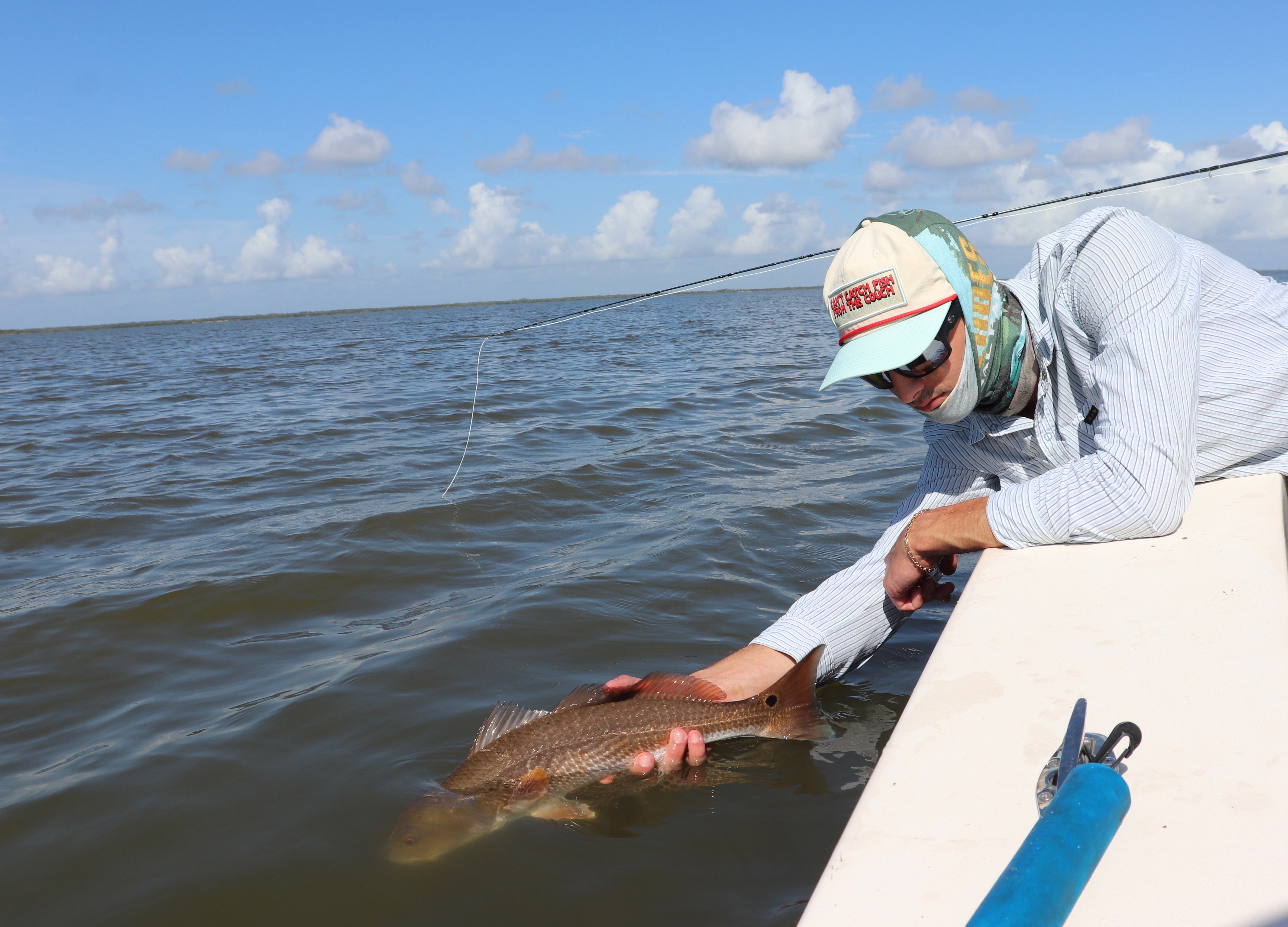
Proper handling and releasing of fish are crucial for maintaining healthy populations and promoting conservation. When you hook a fish, keep the rod tip high to absorb its struggles and use heavier tippet material to land the fish without exhausting it too soon. These techniques help reduce stress on the fish and increase their chances of survival after release.
Catch and release practices are vital for sustainable fly fishing. By minimizing air exposure and handling time, you can significantly improve the survival rates of released fish. Understanding and implementing these practices will ensure that future generations can enjoy the thrill of fly fishing as well.
Playing Fish
Playing a fish effectively is an essential skill for any fly angler. Keeping the rod tip elevated helps manage the fish’s movements and reduces the risk of breakage. Maintaining steady pressure on the fish is key to tiring it out without causing undue stress. These techniques not only increase your chances of landing the fish but also contribute to fish conservation and sustainable fishing practices.
By mastering the art of playing fish, you’ll be able to handle a variety of fish species and sizes, including other fish, making your fly fishing experience more enjoyable and rewarding. Additionally, when you fly fish, you enhance your skills further.
Catch and Release Practices
The primary goal of catch and release is to maintain fish populations and promote conservation. This practice has gained popularity among anglers since its introduction in the 1930s. Effective catch and release techniques, such as minimizing air exposure and handling time, can significantly increase fish survival rates.
Avoid fishing in depths greater than 30 feet to prevent barotrauma, which can affect the fish’s ability to survive post-release. By following these guidelines, you can contribute to the sustainability of fish populations and ensure that fly fishing remains a viable and enjoyable activity for years to come.
Fly Tying Basics
Fly tying allows anglers to create custom flies that match specific conditions and prey they encounter. Learning the basics of fly tying enhances your fishing experience and increases your chances of success on the water.
The following subsections will introduce you to the essential tools and materials needed for fly tying and provide guidance on tying simple fly patterns.
Tools and Materials
To start tying your own flies, you’ll need a few essential tools, including a tying vise, bobbin holder, scissors, and a whip finisher. These tools help you secure and manipulate the materials used to create flies. Common materials for fly tying include feathers, fur, synthetic fibers, thread, and hooks. These materials can be sourced from natural and synthetic materials origins, providing a wide range of options for creating effective fly patterns.
Beginner-friendly fly patterns such as the Woolly Bugger, Adams, and Griffith’s Gnat are great starting points for new fly tyers. These patterns are versatile and relatively easy to tie, allowing you to build your skills and confidence as you progress in your fly tying journey.
Simple Fly Patterns
Starting with simple fly patterns is a great way to build your fly tying skills. Many effective fly patterns can be created with just two materials, demonstrating that complexity isn’t necessary for successful fishing. Basic techniques such as pinch wraps and thread pressure management are crucial for tying a variety of fly patterns.
By mastering these skills, you’ll be able to create simple yet effective flies that will enhance your fly fishing experience.
Summary
Fly fishing is a rewarding and challenging activity that connects you with nature and provides endless opportunities for learning and growth. By understanding the basics of fly fishing, mastering casting techniques, selecting the right flies, and exploring different fishing locations, you’ll be well on your way to becoming a proficient fly angler. Proper handling and release practices, along with the art of fly tying, will further enhance your fishing experience and contribute to the sustainability of fish populations.
As you embark on your fly fishing journey, remember that patience, practice, and a love for the outdoors are key to your success. Whether you’re casting a dry fly on a mountain stream, nymphing in a pond, or chasing saltwater species along the coast, the thrill of fly fishing awaits. Tight lines and happy fishing!
Frequently Asked Questions
What gear do I need to start fly fishing?
To kick off your fly fishing journey, you're going to need some Blackbone Gear for camouflage. Also you'll need to grab a fly rod, reel, line, leader, tippet, fly boxes, and some flies. With this gear, you’ll be ready to hit the water!
How do I choose the right fly rod as a beginner?
For beginners, a 9-foot 5-weight rod with medium to medium-fast action is your best bet. It’s versatile and easy to handle, making your learning experience way smoother!
What is the difference between dry flies, nymphs, and streamers?
Dry flies sit on the water's surface, nymphs dive below to fetch those tiny wigglers, and streamers imitate baitfish for some active action. Each has its own vibe, so choose based on what you're targeting!
What is the purpose of false casting?
False casting is all about managing your line length and control, so you can present your fly more accurately. It's a handy technique to help you get that perfect cast!
Why is catch and release important in fly fishing?
Catch and release is crucial in fly fishing because it helps keep fish populations healthy and supports conservation efforts, making sure the sport can thrive for future generations.