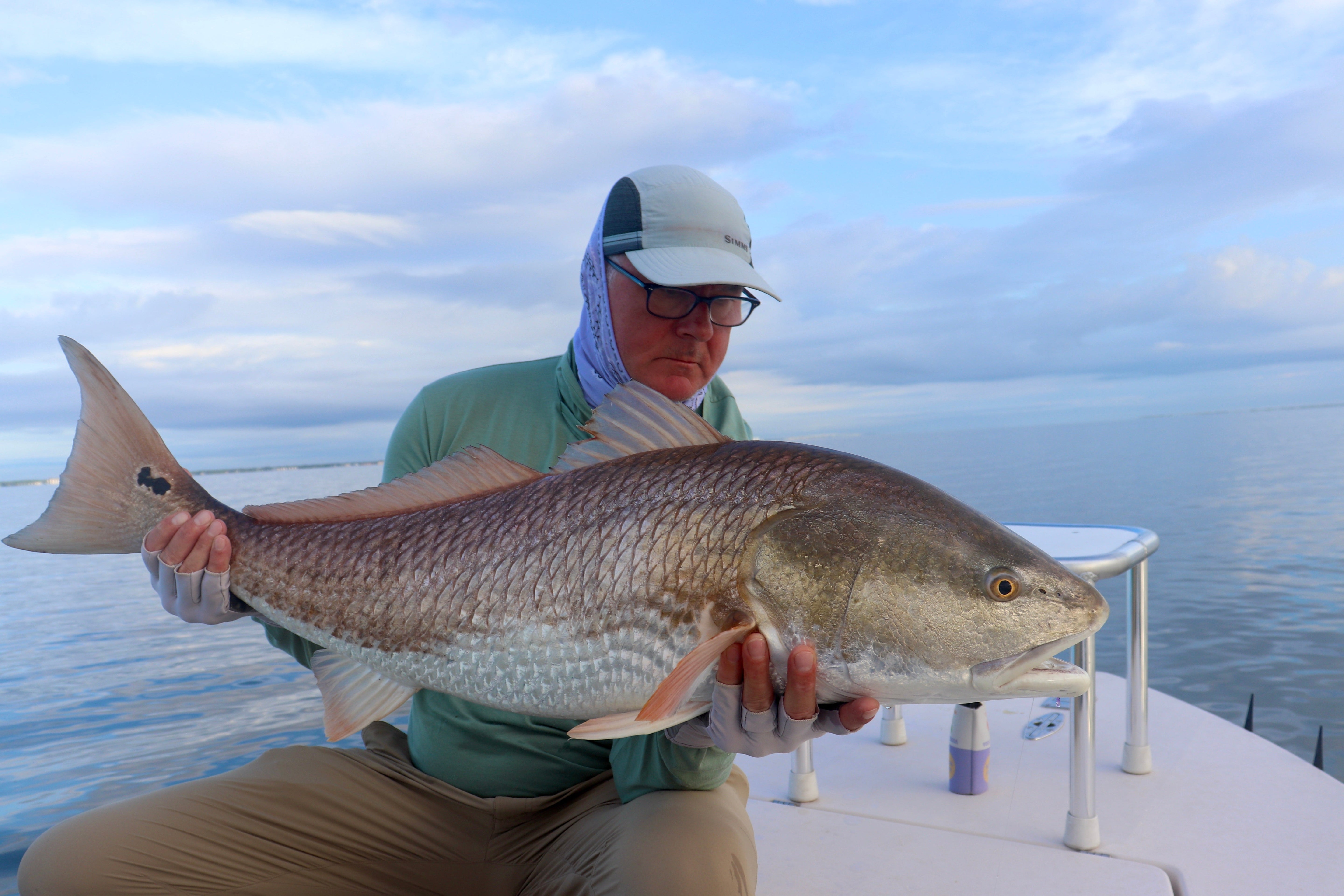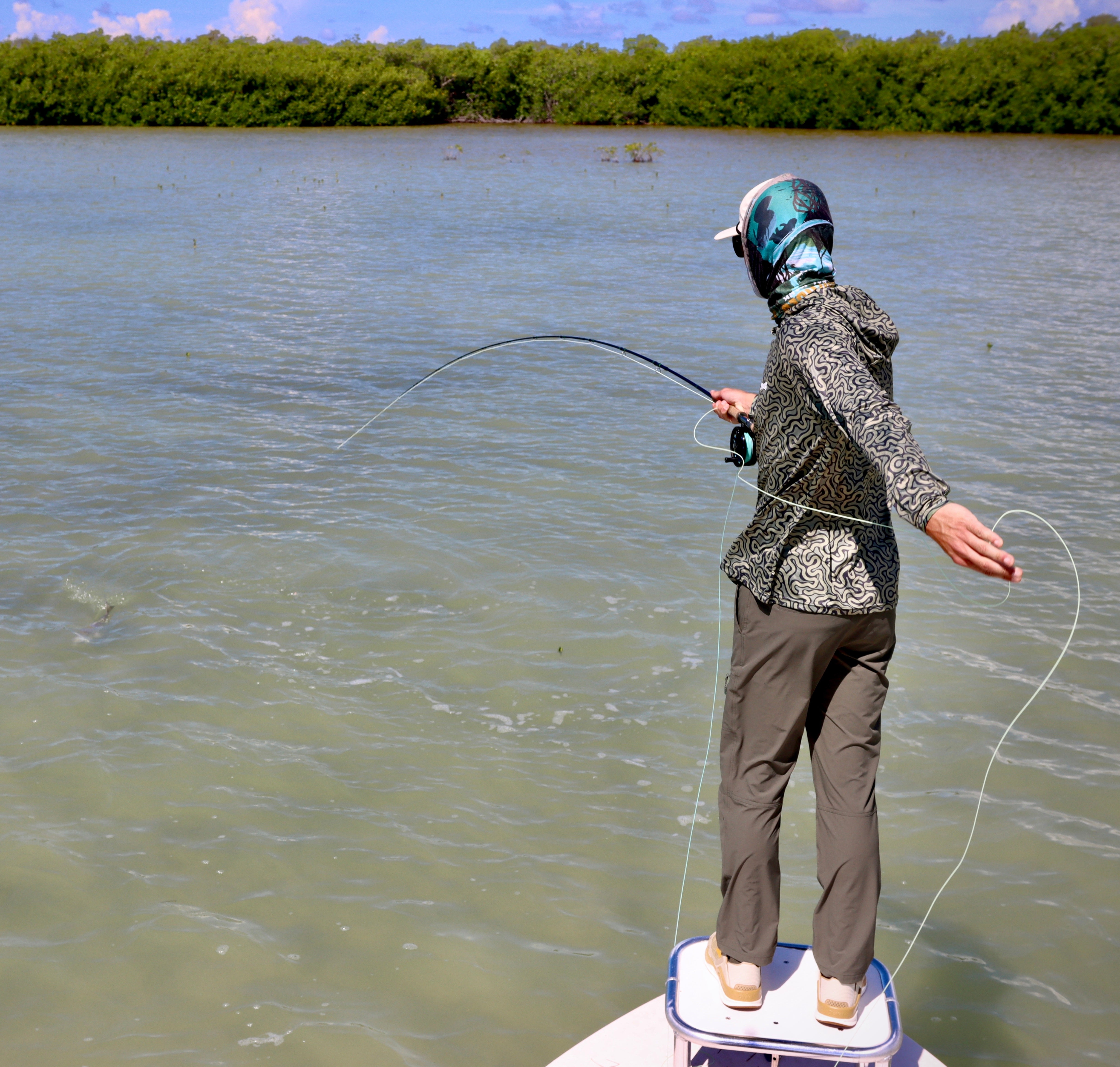
Top Tips for How to Catch Redfish: Expert Advice for Every Angler
Eager to learn how to catch redfish? This guide provides you with actionable tips on finding redfish spots, selecting the right gear, and mastering techniques. Whether you’re new or experienced, follow these steps for a successful catch.
Key Takeaways
-
Understand redfish behavior: They’re easily spooked, so stealth and knowing where they hang out is key to catching them.
-
Choose the right gear: Use a versatile spinning rod and braided line, and consider circle hooks for successful catches.
-
Timing and location matter: Fish at dawn/dusk and pay attention to tides and seasonal variations for better chances of catching redfish.
Preparing for a Fishing Trip
Before you head out on your next fishing trip, a little preparation goes a long way toward making your day on the water both fun and productive. Start by checking the fishing regulations for your area - these rules help protect fish populations and ensure everyone has a fair shot at catching their favorite saltwater fish or even freshwater species like rainbow trout. Make sure you have a valid fishing license, as it’s required for most types of fishing, whether you’re planning a day of saltwater fishing or trying your hand at fly fishing.
Next, gather all your fishing gear. This includes your fishing rod, reel, fishing line, hooks, and plenty of bait. If you’re unsure about the best gear for your target species or local conditions, stop by a local tackle shop for expert advice - they can help you choose the right equipment for everything from saltwater fishing to fly fishing. Don’t forget to pack essentials like sunscreen, a first-aid kit, and a life vest for safety. Checking the weather forecast before you leave is also a smart move, so you can plan your trip for the best possible conditions.
Make sure to checkout our gear for the right preparation, redfish spook easily - grab our gear to be camouflaged. With the right preparation, you’ll be ready to focus on what matters most: enjoying your time fishing and hopefully landing a great catch.
Understanding Redfish Behavior

Understanding redfish behavior and their environment is key to catching them effectively. These small fish are known to push up into very shallow waters, making sight fishing an exciting and accessible method for anglers. However, they are easily spooked, so maintaining stealth is vital. Redfish are constantly finding food while seeking shelter, and understanding this behavior helps anglers locate them more successfully.
Use gear that enables quiet movement and helps you blend into the surroundings to avoid startling these smaller fish.
Where Redfish Hang Out
Redfish are versatile when it comes to their habitat preferences. You’ll often find them in:
-
oyster bars
-
grass flats
-
shorelines
-
tidal creeks
-
mangroves
These areas provide both protection from predators and abundant food sources.
During low tide, redfish tend to stick close to hard surfaces like oyster beds and mangroves, while in deeper waters, they navigate over grass beds, avoiding obstacles. When targeting redfish in deep water, use heavier tackle and pay close attention to safety precautions, as strong currents and increased depth can present unique challenges. Focus your efforts on areas with structure, as these spots provide the shelter redfish seek.
Feeding Patterns
Timing is everything when it comes to redfish fishing. The best times to head out are during dawn and dusk, when redfish are most actively searching for food. Redfish are most likely to be biting during these periods, increasing the chances of a successful catch.
Staying quiet and avoiding water disturbances is important since redfish are sensitive to noise and movement. Understanding these feeding patterns and being mindful of your approach will increase your chances of a successful catch.
Choosing the Right Gear for Redfish
Choosing the right gear can significantly impact your redfish fishing experience. The right fishing rod, reel, and line can significantly enhance your fishing experience and effectiveness. Whether you’re a novice or an experienced angler, a spinning reel offers versatility and ease of use, especially when paired with the right reels. You can find a wide selection of fishing equipment at your local tackle shop, and a sporting goods store is another excellent place to find rods, reels, lines, and bait suitable for all experience levels.
Additionally, matching your fishing line to the conditions - such as opting for braided line for its strength and sensitivity - is crucial. The main line is the primary line used in your setup, and choosing the right main line helps prevent kinks and ensures strong connections, especially when using swivels or other tackle components. Proper fishing gear sets you up for landing more fish.
Best Rod and Reel Combo
The ideal rod and reel combo can make a substantial difference in redfish fishing. If you’re fishing offshore, a stiff rod is necessary, but for inshore fishing, rods with a bit more give are preferable.
The length and strength of the rod directly affect your casting arm, influencing how effectively you can pull back and flick the rod forward. Using proper technique with your casting arm can improve both casting distance and accuracy.
Beginners will find that a spinning rod and reel combination is the most user-friendly option. This type of setup is not only versatile but also suitable for various water conditions and bait types, making it a reliable choice for catching slot redfish.
Best Fishing Line for Redfish
When it comes to fishing line, braided line is highly favored for redfish fishing. Its excellent casting capabilities and lack of stretch enhance sensitivity, making it easier to detect bites and set hooks effectively. When casting, always monitor your loose line to prevent tangles and ensure a smooth, accurate throw. Additionally, monofilament fishing line can also be considered for certain fishing techniques.
Matching your heavier line strength to the fishing conditions is crucial to prevent break-offs and boost your chances of a successful tie catch.
Circle Hooks vs. J-Hooks
Selecting the right hook is also crucial in redfish fishing. Circle hooks are often preferred for natural bait fishing because they effectively hook fish in the mouth, minimizing injury and increasing the likelihood of a successful release. They’re particularly effective when fishing with live sand fleas, as they help present the bait naturally without the need for a firm hook set.
When targeting redfish, it's important to select the appropriate hook size and match it to your bait to ensure the best presentation and hookup rate.
However, J-hooks can also be effective, especially in situations where a more aggressive hook set is needed. When tying your knot, remember that the hook eye is where you thread the line, especially for knots like the improved clinch knot, to create a secure connection between your line and the hook.
Bait and Lures for Redfish

The right bait and lures can significantly impact your redfish fishing success. Both live bait and artificial lures have their advantages, and the choice often boils down to personal preference and fishing conditions. Artificial baits, such as soft plastics, are especially effective and versatile for targeting redfish, as they can be fished at different depths and in various conditions to attract fish.
The targeted species and bait availability also influence bait selection.
Live Bait Options
Common live baits for redfish include shrimp, crabs, and various baitfish like ballyhoo and mullet. Live shrimp are particularly effective when used near the bottom or midwater with a float rig. Dead shrimp on a jighead beneath a cork can also attract redfish, especially when the cork is popped every 15 seconds.
For crabs, hook through the shell’s back corner or cut the body into pieces for effective baiting. When using baitfish, hook them through the nose or back to ensure proper presentation.
Top Artificial Lures
Artificial lures provide versatility and can be highly effective for catching redfish. Plugs, soft body lures, and spoons are all great options. Spoons, in particular, create a wobbling motion with a flashing effect that attracts fish.
Using weights with artificial lures can help improve casting distance and keep the lure at the desired depth.
Success with artificial lures requires good casting ability and an understanding of how these lures imitate natural bait.
Matching the Hatch
Matching the hatch is an essential concept in redfish fishing. It involves:
-
Using bait that mimics the natural prey present in the area.
-
Observing local fish populations.
-
Choosing bait accordingly to significantly enhance your success.
For example, if spot and whiting are abundant, using them as bait is a good strategy. The choice of hook placement also varies with bait type to ensure optimal presentation.
Techniques for Catching Redfish
Mastering the right techniques is crucial for successful redfish fishing. A lighter leader can increase strikes, and understanding how fish use scent, sound, and movement to locate food is vital.
Anglers should spend time practicing different techniques to improve their success. Learning from experienced anglers can also provide valuable insights and tips for catching more redfish.
An informed angler with a single lure can outfish other anglers with expensive gear, emphasizing the importance of knowledge and skill for new anglers.
Casting Techniques
Proper casting techniques are key to placing your bait or lure in the optimal spot. With a spinning reel, follow these steps:
-
Flip the bail.
-
Hold the line with your index finger.
-
Bring the rod tip back slightly.
-
Cast forward, releasing the line at the right moment for a smooth cast.
During casting, pay attention to the standing line, which is the part of the fishing line that remains stationary. Properly managing the standing line helps prevent tangles and ensures a smoother cast.
Mastering this technique ensures your bait lands where redfish are likely to be lurking.
Retrieving Methods
Retrieving methods play a critical role in enticing redfish. Techniques like slow rolling and twitching can mimic the natural movement of prey, making your lure more attractive to redfish. Varying your retrieval speed and technique, such as steady reeling or erratic motions, can also increase your chances of a strike.
Combining these methods can enhance your retrieve’s effectiveness.
Setting the Hook
Setting the hook is a pivotal moment in fishing. When a fish grabs the bait, you may notice subtle signs like a sudden tug, bubbles, or splashes—reacting quickly to these fish grabs is crucial for a successful catch. After feeling a strike, wait a moment before tightening the line to ensure the fish has taken the bait. Pulling back on the rod swiftly after detecting a bite helps ensure a firm hook set in the fish’s mouth, which is important to avoid injury and maximize your chances of landing the fish.
This is especially important for redfish, which have tough mouths, requiring an aggressive hook set, particularly when using J-hooks, and extra care to set the hook properly in the fish’s mouth.
Fishing Locations and Conditions
Location and conditions are crucial to redfish fishing success. Redfish are drawn to areas with good structure and abundant food, making it essential to understand their feeding habits and behaviors.
A professional fishing guide can offer valuable insights into local hotspots and effective techniques.
Anglers should always respect natural resources and practice conservation to help ensure sustainable fishing opportunities for future generations.
Inshore Hotspots
Estuaries are ideal for finding concentrations of redfish near the shore. A kayak provides access to shallow waters where redfish are abundant, allowing for a stealthy approach.
The ability to reduce noise while moving through the water gives anglers an advantage in these areas.
Tides and Weather
Tides and weather greatly influence redfish behavior. The incoming tide is often the most favorable, bringing baitfish into shallow waters. Redfish are more active during these times, offering an ideal fishing opportunity.
Nighttime can enhance redfish fishing success, as they are more active during these hours.
Seasonal Variations
Seasonal changes impact redfish behavior and availability. In Florida, redfish fishing is most productive from August to November, aligning with their spawning season. Different locations have their peak times, such as Key Largo from January through April and Pine Island Sound from May to November.
Understanding these variations can help you plan your fishing trips better.
Safety on the Water
Staying safe on the water should always be your top priority, no matter how experienced you are. Always wear a life vest, even if you’re a confident swimmer, and make sure it fits snugly. Be mindful of your surroundings—watch out for other anglers, boats, and swimmers, and keep a safe distance when casting to avoid accidents. When handling fish, use needle nose pliers to safely remove hooks from the fish’s mouth, and try not to touch the gills or eyes to keep the fish healthy if you plan to release it.
It’s also important to follow all local fishing regulations and respect the environment by not leaving behind any trash or fishing line. Avoid transferring fish or aquatic plants between different bodies of water, as this can harm local ecosystems. If you’re new to boating, consider taking a safety course to learn the basics of safe navigation and emergency procedures. By keeping safety in mind, you’ll help ensure a positive fishing experience for yourself and other anglers on the water.
Conservation and Regulations
Conservation and adhering to fishing regulations are crucial for preserving redfish populations and ensuring sustainable fishing practices. Fishing licenses help fund conservation efforts and ensure compliance with regulations designed to protect aquatic ecosystems.
Anglers should consult their local wildlife department for up-to-date information on regulations and conservation efforts.
Ethical practices, such as using circle hooks and properly disposing of fishing line, play a vital role in conservation.
Minimum Size Limit
Adhering to the minimum size limit for keeping redfish is vital for complying with local fishing regulations and supporting conservation efforts. Picking up a copy of your state’s fishing laws at a tackle store helps stay informed about regulations.
For accurate measurements, use the fork length method, measuring from the tip of the jaw to the center of the fork in the tail. Accurate measurement ensures you’re following the rules and helping maintain healthy fish populations.
Catch and Release Practices
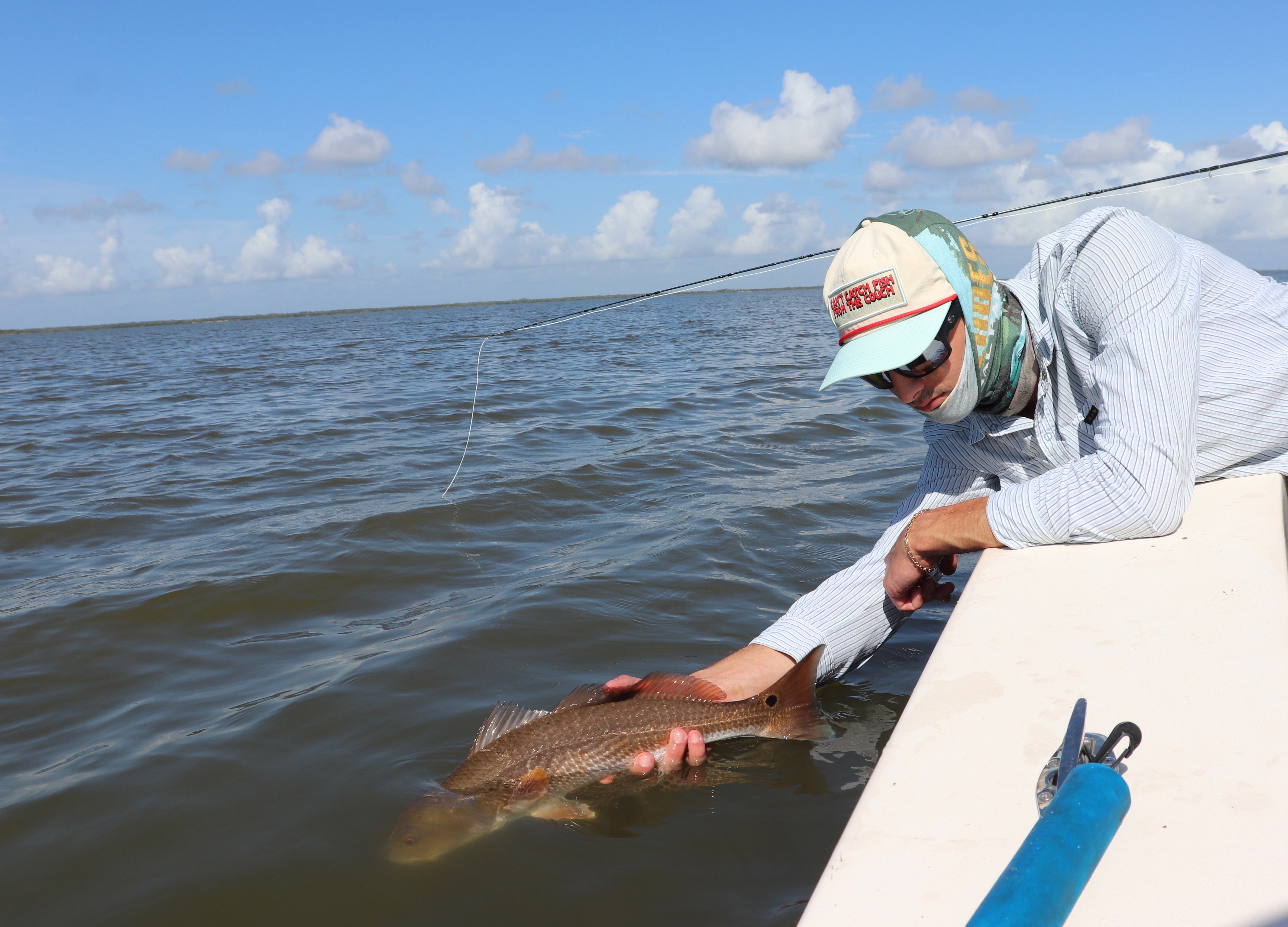
Catch and release practices are crucial for promoting sustainable fishing and ensuring healthy fish populations. Proper handling during release minimizes stress on the fish, boosting their chances of survival if they are caught.
Handle redfish gently, keep them in the water as much as possible, and avoid touching their gills and eyes. Using a rubber net is highly recommended, as it helps minimize injury and stress to the fish during catch and release. These practices ensure released fish live to see another day and continue contributing to the ecosystem.
Fishing License Requirements
Ensure you have a current fishing license before heading out to catch redfish. Anglers should be aware of the difference between saltwater and fresh water fishing licenses, as requirements may vary depending on where you plan to fish. In Florida, a saltwater fishing license is required for targeting redfish. Licenses can be purchased online, at fishing shops, or convenience stores, typically costing between $30 and $150 annually.
A lifetime license can be a convenient and cost-effective option for avid anglers. Always check local regulations to stay informed and comply with any special requirements for certain species.
Bonus Tips for Successful Redfish Fishing
Consider a few additional tips to maximize your success in redfish fishing. Avoiding common mistakes, known as ‘Redfish Skunk Factors,’ can greatly improve your chances of landing a catch. This includes proper gear selection, understanding redfish behavior, and being mindful of fishing techniques.
By paying attention to these details, you’ll enhance your overall fishing experience. New anglers should also review fishing basics, such as equipment and techniques, to build a strong foundation for redfish fishing.
Using a Kayak
A kayak offers unique advantages, including access to remote fishing spots often unreachable by larger boat. Kayaks offer a quiet and stealthy approach, allowing you to sneak up on redfish without disturbing them.
This increased accessibility and reduced noise can significantly impact your fishing success.
Night Fishing
Night fishing for redfish can be highly rewarding, as these fish are more active at night. Use a strong flashlight or headlamp for visibility and consider popping corks and topwater lures to attract redfish.
Fishing near structures like lights or jetties, which attract fish and other fish, can also boost your chances of a successful catch fish.
Hiring a Guide
Hiring a fishing guide can greatly enhance your redfish fishing experience. An experienced guide provides:
-
Local knowledge to help you find the best fishing spots
-
The most effective techniques for redfish fishing
-
Instruction on how to read water
-
Guidance on selecting the right lures This provides a comprehensive understanding of redfish fishing.
Their expertise can maximize your chances of a successful and enjoyable fishing trip, which is your best bet for a great experience.
Planning a Successful Fishing Trip
A successful fishing trip starts with a bit of planning and research. Begin by picking a location known for the type of fish you want to catch—whether it’s a lake, river, or the open ocean. Pay attention to the time of day and weather conditions, as these can greatly influence fish activity and your chances of catching more fish. Look for spots with natural structure like rocks, weed beds, or drop-offs, since these areas tend to attract fish searching for food.
Make sure your fishing gear is up to the task. Choose a reliable rod and reel, match your fishing line to the conditions, and select the right bait for your target species. Brush up on your fishing knots—knowing how to tie an improved clinch knot or palomar knot can make all the difference when it comes to landing a catch. Don’t forget to review the latest fishing regulations and secure any necessary permits or licenses before you go.
With thoughtful preparation, the right gear, and a little know-how, you’ll be well on your way to catching more fish and making the most of your fishing trip. Remember to handle every fish with care, and consider practicing catch and release to help keep fish populations healthy for future anglers.
Summary
In summary, successful redfish fishing requires a combination of knowledge, skill, and the right gear. By understanding redfish behavior, selecting appropriate equipment, and mastering various fishing techniques, you can enhance your chances of landing that prized slot redfish. Remember to respect conservation efforts and follow fishing regulations to ensure sustainable fishing practices. Now, armed with these tips and insights, it’s time to hit the water and experience the thrill of redfish fishing. Tight lines!
Frequently Asked Questions
What are the best times of day to fish for redfish?
The ideal times to catch redfish are at dawn and dusk, as that's when they're out and about looking for something to munch on. So, gear up and hit the water during those hours for the best chances!
What gear do I need for redfish fishing?
For redfish fishing, you'll want a spinning rod and reel combo for its ease of use, plus some strong braided line for better sensitivity. Keep it simple and you'll be set!
What are common live baits for redfish?
For redfish, you can’t go wrong with live shrimp, crabs, or baitfish like ballyhoo and mullet. They really do the trick!
Why is it important to follow fishing regulations?
It's super important to follow fishing regulations because they help keep fish populations healthy and protect our waterways for everyone to enjoy now and in the future. So, let's do our part and keep the fishing game strong!
How can hiring a fishing guide benefit my redfish fishing experience?
Hiring a fishing guide can seriously elevate your redfish fishing experience by giving you insider access to prime spots and expert techniques. You'll save time and increase your chances of catching more fish - definitely a win!