Article: Hunting the Ghosts: Fly Fishing for Sheepshead in Everglades National Park
Hunting the Ghosts: Fly Fishing for Sheepshead in Everglades National Park
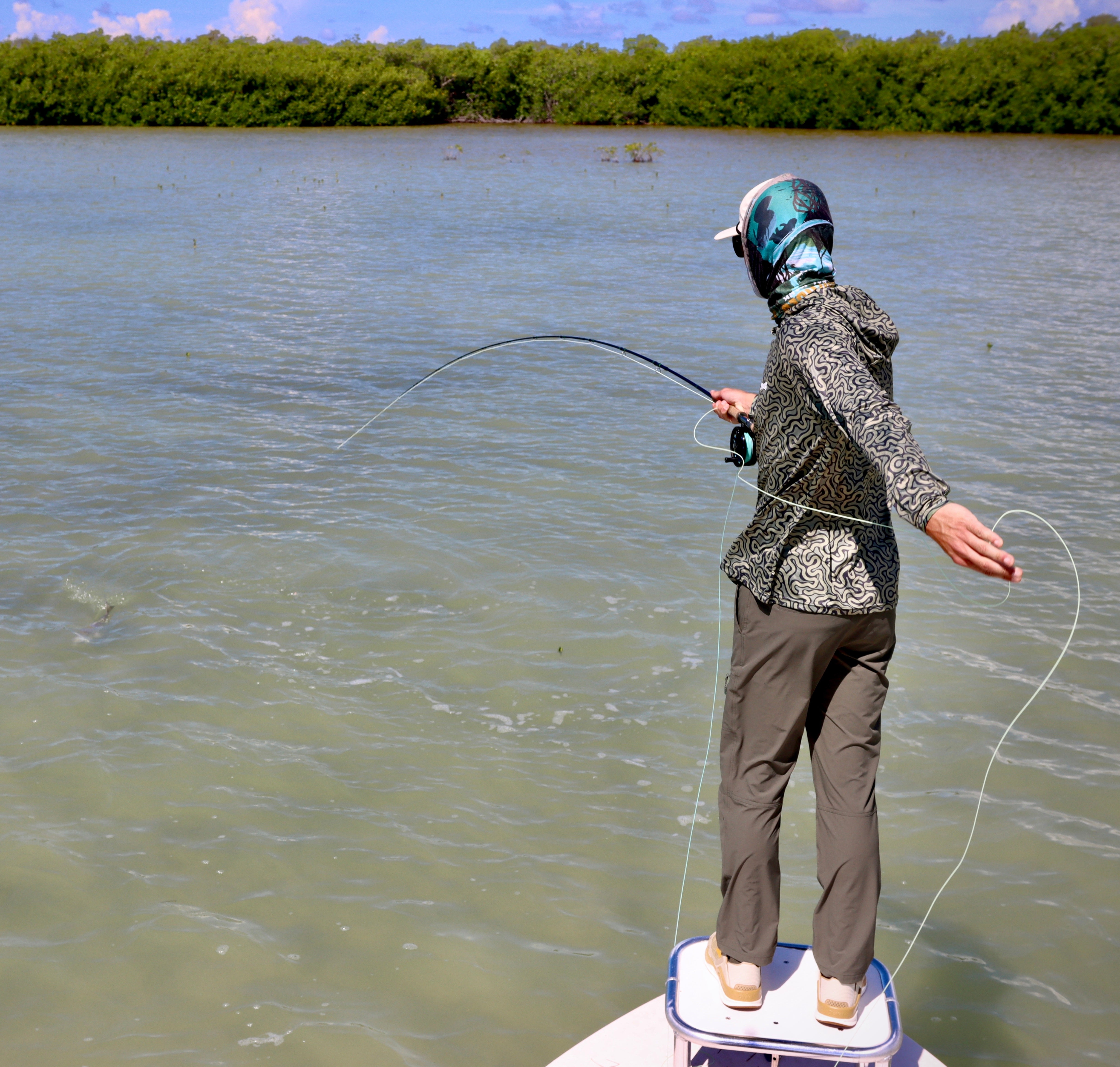
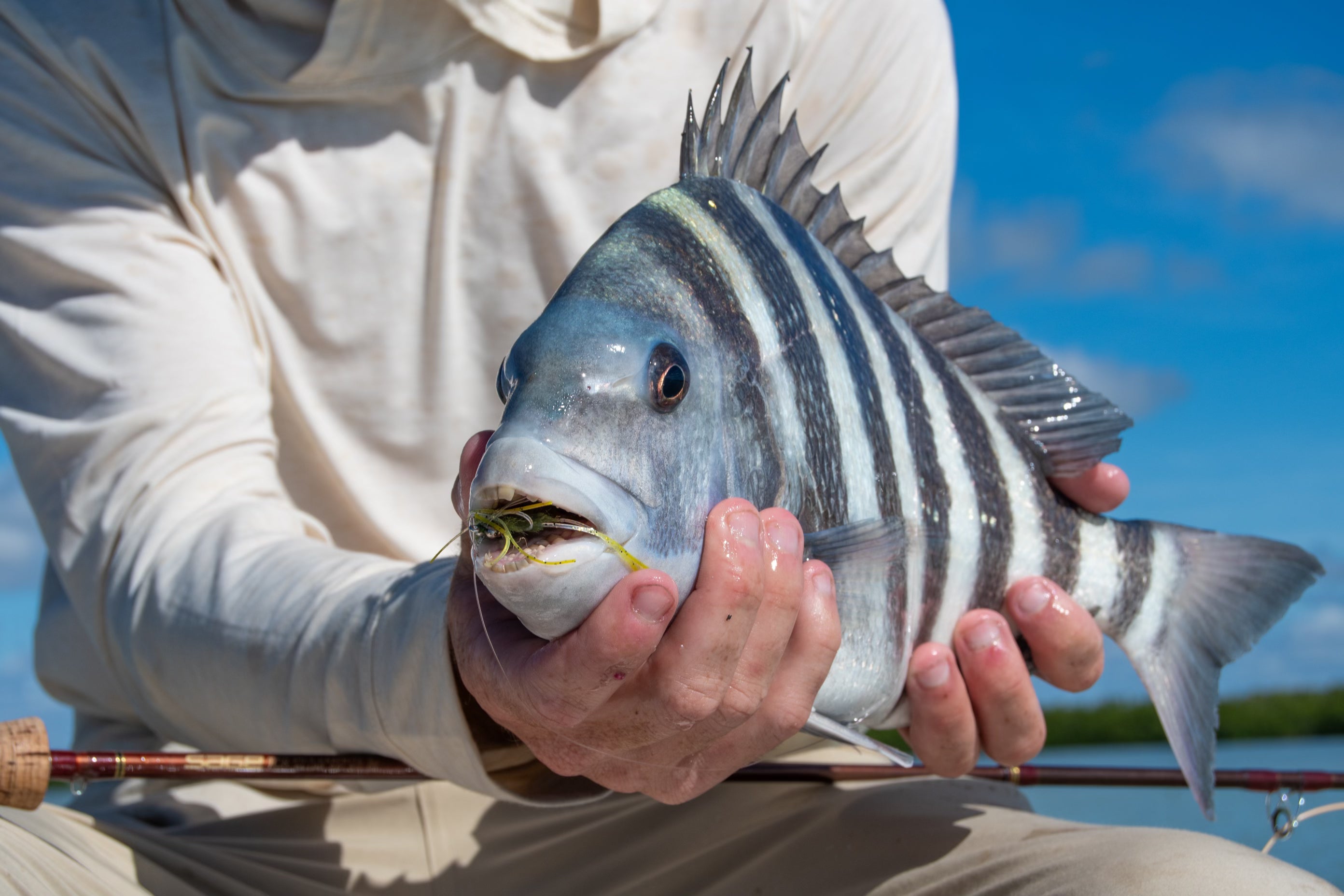
Redfish may get the spotlight, but one of the most rewarding challenges on the flats of Everglades National Park is fooling a sheepshead on the fly. Known for being picky, spooky, and downright stubborn, these fish force you to slow down, read the water, and make every shot count. When you finally watch one tip down on your fly, it feels like cheating the system.
This past week, in between shots at cruising reds, we focused on targeting sheepshead—and a few simple adjustments brought our success rate way up.
Read the Behavior: Solo or Paired Fish
Sheepshead in groups are almost impossible. They get jittery, competitive, and hyper-aware of anything unnatural. The sweet spot is singles or pairs—fish that are relaxed and actively hunting.
Look for telltale signs of feeding:
-
Subtle tailers in skinny water
-
Fish slow-cruising with intent
-
Slight puffs of sediment as they root around crustaceans
If they're not feeding, keep poling. These fish need to be “switched on” for you to have a real shot.
Water Color Is Everything
As much as we all love gin-clear sight fishing, sheepshead do not.
A little murk or stain is your friend—it softens their field of vision and helps you get tighter shots without blowing them out. You still want to see the fish clearly, but the muted water lets you cheat your fly placement a bit closer than you could in crystal-clear conditions.
Small, Dark, and Dropping Fast
Presentation is everything, but pattern matters too.
Our most productive flies had three non-negotiables:
-
Small profile
-
Dark coloration (black, olive, purple)
-
Weighted enough to get down immediately
Sheepshead rarely travel fast. If your fly takes too long to sink, the shot is blown before the game even starts. Think “quiet, quick, and subtle.”
Timing: Go Early or Go High Sun
Sheepshead aren't fussy about feeding windows, but visibility changes everything for the angler.
-
Mornings offer softer light and cooler water when fish push shallow.
-
Midday, though, is where the magic happens—especially for sight fishing. With overhead sun, their silhouettes and behavior become obvious, letting you pick out the right fish instead of wasting time on ghosts.
Where to Look: Edges, Not Tangles
You’ll find them near mangrove islands, but that doesn’t mean you should cast into the branches.
Sheepshead in heavy cover are nearly impossible to present to cleanly. Instead, focus on:
-
15 yards off the island on the open flat
-
Sparse bottom with crushed shell, grass patches, or small potholes
-
Areas where reds also roam—often they feed on similar micro-crustaceans
When you find that right bottom texture and the right water color, everything aligns.
Why Target Sheepshead on Fly?
Because they make you better.
They expose every flaw in your approach—stealth, shot placement, fly choice, patience—and reward you with one of the most earned eats in the backcountry. Mixed into a day of redfish hunting, they turn a normal trip into a chess match.