
Inagua Outback Lodge
Great Inagua is one of the Bahamas' most remote and lightly pressured fisheries, a southern outpost where the flats hold bonefish in real numbers alongside resident tarpon, permit, and snook for a genuine shot at the grand slam. Anglers fish from South Dade skiffs, slip into skinny water on paddleboards, and reach the island's wilder interior flats by off-road truck. With an intimate six-guest lodge set right on the beach, twice-weekly access that keeps the water quiet, and Bahamian hospitality at the day's end, Inagua delivers a raw, off-the-beaten-path Caribbean fly-fishing experience.
BOOK NOW
Call: (561) 718-6381
Email: Blackboneus@gmail.com
Elige opciones
Why Fish Great Inagua | year round possibility
Target Species
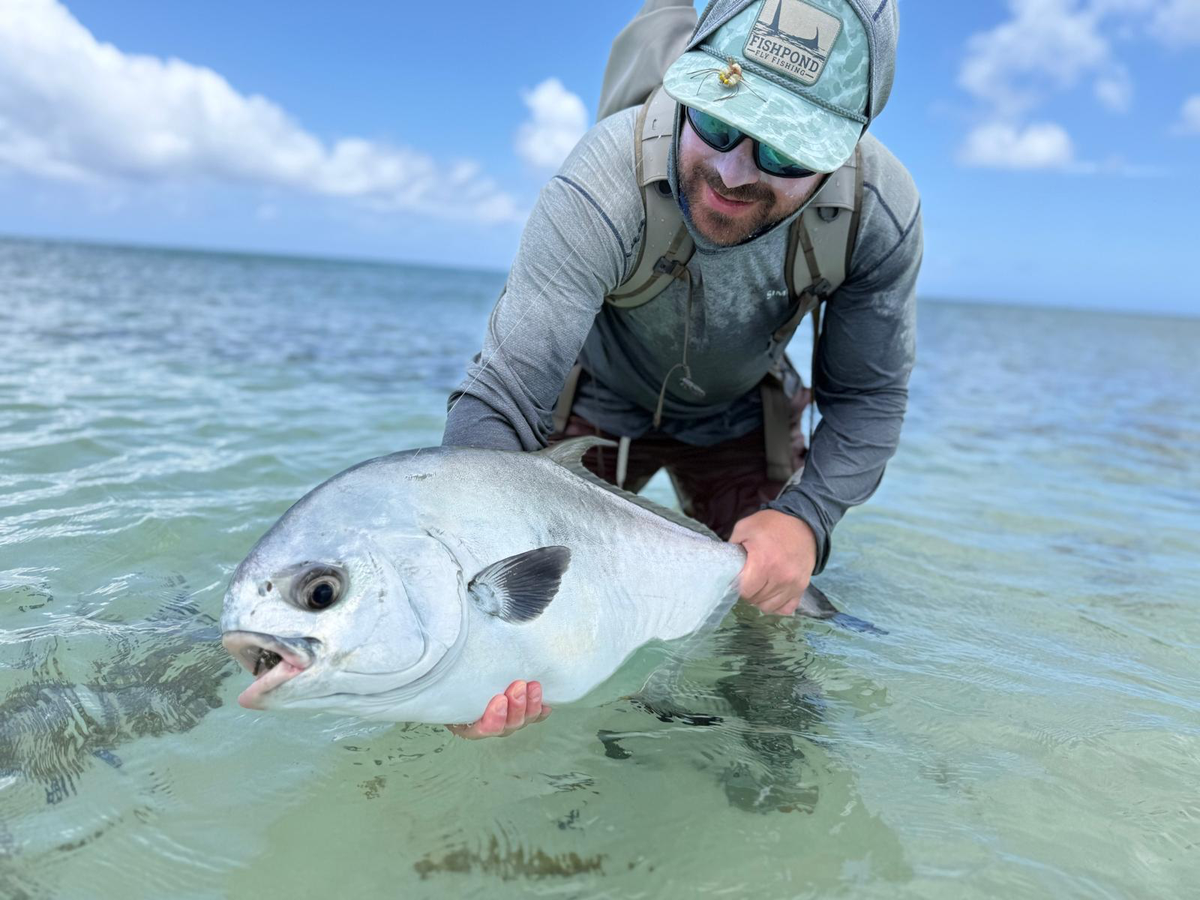
Bonefish, tarpon, permit, and snook, with barracuda, jacks, mutton snapper, and triggerfish rounding out the mix.
Lodge Size
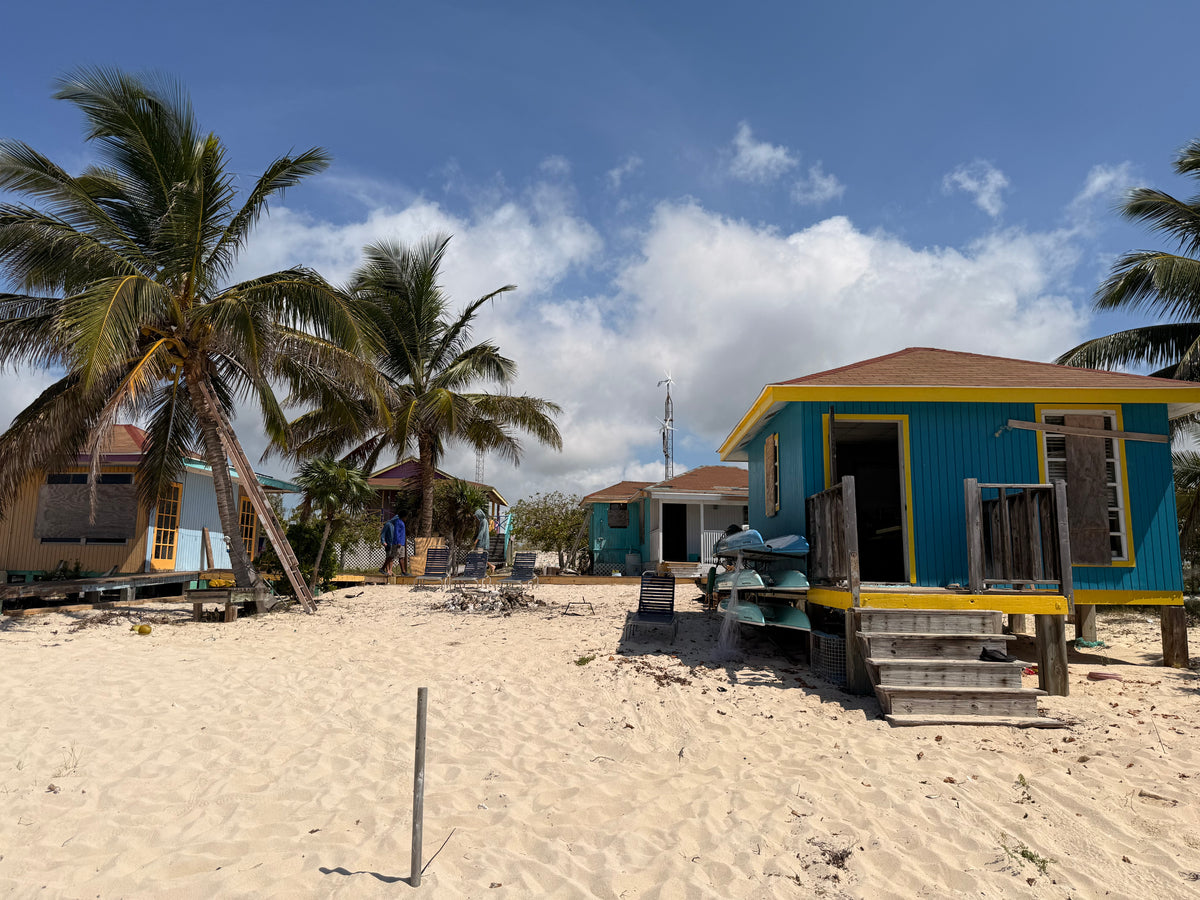
An intimate two-cottage setup hosting no more than six anglers at a time, set right on a quiet south-shore beach.
Getting There
Bahamasair flies from Nassau twice weekly, on Monday and Friday mornings, so trips run on a Monday to Friday schedule with an overnight in Nassau on either end.
Trip Options
Fully guided weeks or DIY packages, both structured around the island's twice-weekly flight rhythm.
January
PeakFebruary
PeakMarch
PeakApril
PeakMay
PeakJune
PeakJuly
PeakAugust
PeakSeptember
PeakOctober
PeakNovember
PeakDecember
Peak
Untouched, Low-Pressure Flats

A Genuine Shot at the Grand Slam

Reach Water Others Can't

Rates & Packages
Custom packages, requests, and other options available upon request!
- Curated world-class destinations
- Direct planning support
- No-obligation inquiry
More than 140 species, and the world's largest flamingo colony
The birdwatching capital of the Bahamas
Great Inagua is the birdwatching capital of the Bahamas, and it earns the title. Inagua National Park covers nearly half the island and holds the largest breeding colony of West Indian flamingos in the world, tens of thousands of them turning Lake Windsor pink. Beyond the flamingos, more than 140 resident, migratory, and endemic species move through here, including the island's own Cuban Parrot and the Bahama Woodstar hummingbird found nowhere else. A local guide, arranged through the Bahamas National Trust, is how you see it properly.


Fly Fishing Bonefish in the Bahamas. Flats Guide & Gear from BlackBone Outfitters


