Fly Fishing Bonefish in the Bahamas. Flats Guide & Gear from BlackBone Outfitters
Welcome to your comprehensive guide to fly fishing for bonefish in the Bahamas. Whether you're a first-time saltwater angler or a seasoned DIY explorer, this resource covers the best islands, essential gear, and practical tips for planning your adventure. Discover why the Bahamas is the premier destination for bonefish and how to make the most of your trip.
Key Takeaways
-
The Bahamas remains the premier destination for fly fishing bonefish, with remote family islands like Andros, Abaco, Acklins, Crooked Island, and Long Island offering unpressured flats and authentic Bahamian culture for DIY anglers seeking adventure beyond the lodge.
-
DIY wade fishing lets you explore at your own pace and budget, but demands more preparation—especially performance apparel with UPF protection and moisture-wicking properties for 6–8 hour sessions under tropical sun.
-
Success on the flats depends on showing up at the right place, at the right tide stage, with the right visibility; understanding how to read turtle grass edges, mangrove cuts, and sand transitions separates productive days from frustrating ones.
-
Core tackle includes a 9-foot, 8-weight fast-action rod, a sealed-drag reel with 150+ yards of backing, and a selection of shrimp and crab patterns matched to water depth.
-
Lightweight, quick-drying sun hoodies and breathable pants from Blackbone Outfitters are as essential as your fly rods—protecting you from UV exposure while keeping you comfortable through long stalks and sudden squalls.
Why Bonefish on the Fly Belong in The Bahamas
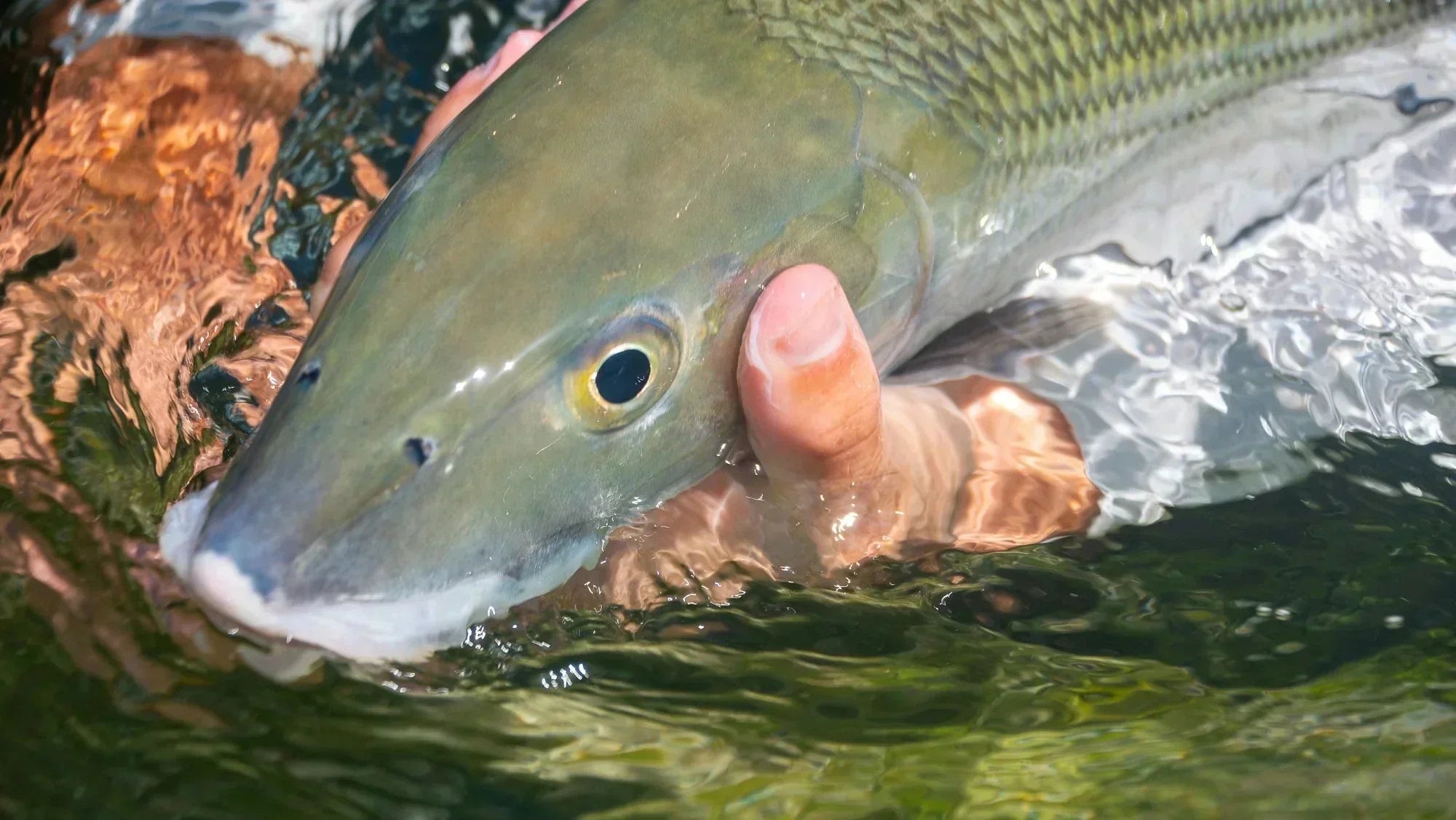
Picture this: you’re standing knee-deep in gin-clear water, turtle grass waving beneath the surface, and a nervous shadow glides across the white sand forty feet ahead. This guide covers everything you need to know about fly fishing for bonefish in the Bahamas, including DIY strategies, top islands, and essential gear. That shadow is a bonefish—the “ghost of the flats”—and in three seconds, you’ll either make the shot of your life or watch it vanish into deeper water. Bonefish (Albula vulpes) are a prized saltwater game fish known for their speed, wary nature, and ability to thrive in shallow tropical flats.
Bonefish are fast, wary, and perfectly engineered for the shallow water environments of tropical flats. Their average weight of 3–5 pounds masks an explosive power that can strip 100 yards of line in seconds. For anglers who cut their teeth on trout or bass, the transition to saltwater fly fishing for bonefish represents a quantum leap in challenge and reward. Every cast matters. Every presentation must be precise. And when you connect, the fight is unlike anything freshwater offers.
Anglers have been traveling to the Bahamas for bonefish since the 1950s, when pioneering guides in the Florida Keys began refining flats-fishing techniques that would eventually spread throughout the Caribbean. Today, modern travel makes islands like Nassau, Freeport, and Marsh Harbour reachable in a day from most major U.S. cities via direct flights or short connections through Miami. This easy access from major U.S. airports is a key benefit for anglers seeking a hassle-free journey to prime bonefishing locations. Marsh Harbor serves as a convenient transportation hub, offering direct flights and acting as the starting point for exploring renowned fishing areas like The Marls and Cherokee Sound on Abaco Island. The infrastructure exists—the question is how you want to fish.
Two main approaches dominate: high-end guided lodges with skiffs, professional guides, and all-inclusive packages, or DIY wade fishing with rented vehicles, budget accommodations, and flats you find yourself using satellite imagery and local intel. Both work. Many anglers combine them. The key is understanding what each demands.
At Blackbone Outfitters, we build performance fishing apparel for exactly these conditions—long, sun-exposed days stalking fish across expansive flats where comfort and protection directly impact how many hours you can spend hunting bonefish. When your gear works, you fish longer. When you fish longer, you catch more fish.
Choosing Your Island: Where to Fly Fish Bonefish in The Bahamas
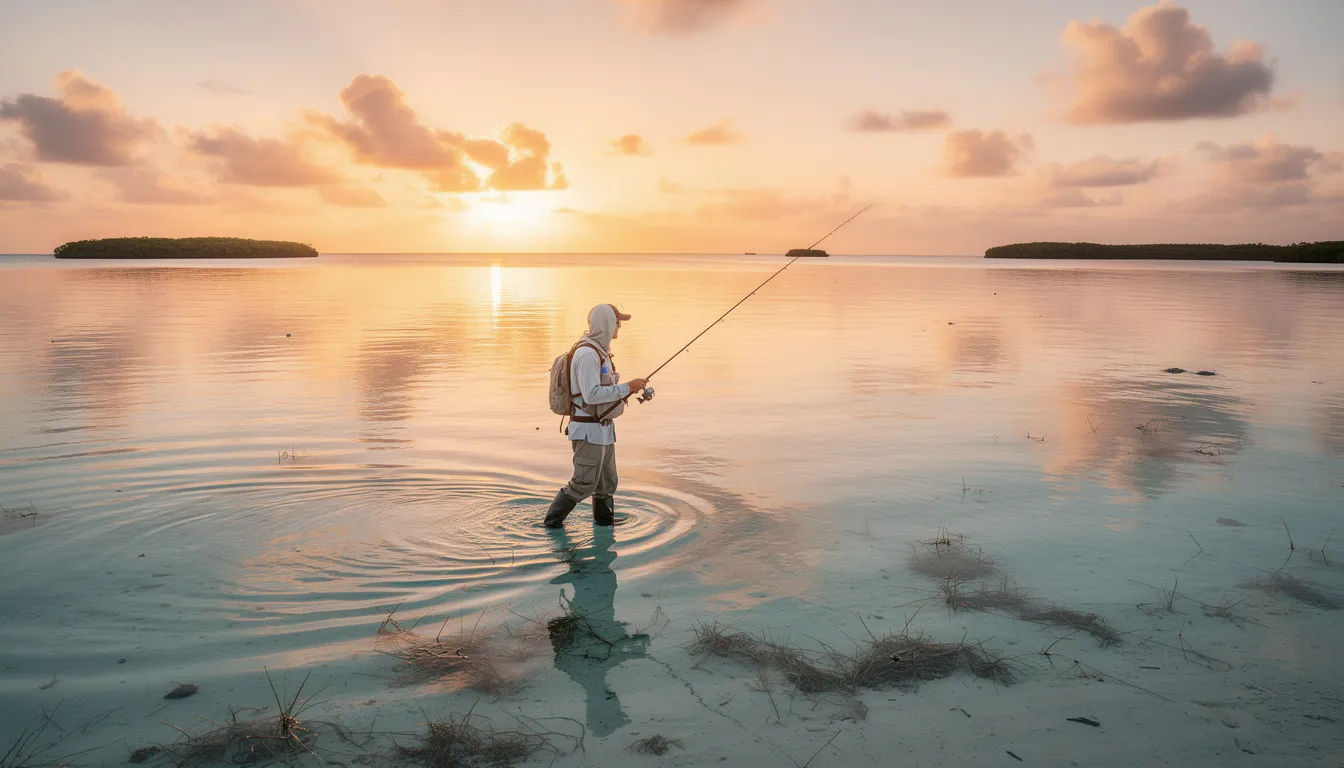
The Bahamas comprises over 700 islands and thousands of cays scattered across the western Atlantic. Home to some of the best bonefishing in the world, the Bahamas features renowned fly fishing operations and exclusive only fly fishing operation experiences available on select islands. But when it comes to world class bonefishing, a handful of destinations consistently produce for both guided and DIY anglers. Choosing the right island means matching your experience level, travel style, and fishing goals to the unique character of each location.
South Andros
Often called the “Bonefishing Capital of the World,” South Andros delivers some of the largest bonefish populations on the planet. The west side of the island features endless creeks—Deep Creek, Little Creek, and dozens of unnamed channels—that funnel fish onto wadeable flats during tidal swings. Bair’s Lodge, a highly regarded bonefishing lodge located on South Andros Island, is renowned for its world-class fishing opportunities and prime location within the Bahamas fishing community. Bair’s Lodge offers direct access to key fishing areas like Deep Creek and Little Creek, making it a top choice for anglers seeking convenience and exceptional fishing experiences. Anglers seeking big bonefish in the 6–10 pound range find consistent action here, and the mix of established lodges like Bair’s Lodge alongside DIY-friendly guesthouses makes it accessible across budgets. The sheer size of the fishery means you can fish hard for a week and never see the same flat twice.
Abaco, Great Abaco, and the Marls
The Marls—a vast maze of mangrove-lined flats on the west side of Great Abaco—offer some of the most varied structure in the northern Bahamas. Marsh Harbour serves as the primary gateway and transportation hub for anglers, providing convenient access to the Marls and other prime fly fishing bonefish locations. Marsh Harbor is especially convenient, with direct flights and its role as the starting point for exploring The Marls and Cherokee Sound on Abaco Island. Some lodges and the only fly fishing operation in the Marls offer direct access to the flats, allowing anglers to transition effortlessly from accommodations to productive fishing grounds and enhancing the overall experience. The area is home to established fly fishing operations that provide expert guides, quality equipment, and comprehensive services for visiting anglers. The protected waters mean fishable conditions even when high winds hammer exposed shorelines. Cherokee Sound, further south, holds populations of large, wary bonefish that demand refined presentations. Abaco Lodge and other operations provide guided options, but the area also rewards DIY exploration with a rental vehicle and a good tide chart.
Acklins and Crooked Island
For serious DIY anglers willing to work for their fish, Acklins Island and neighboring Crooked Island deliver low-pressure flats that see a fraction of the angling traffic found on more accessible islands. The extensive shoreline of these islands provides ample opportunities for wade fishing and spotting bonefish in their natural habitat. White-sand flats stretch for miles, perfect for wading without a guide. The tradeoff: limited infrastructure, fewer direct flights, and the need for self-sufficiency. But if you want to find bonefish that have never seen a fly line, this is where you go.
Grand Bahama Island
Grand Bahama offers the easiest access from Florida, with direct flights to Freeport taking less than an hour. The island produces surprisingly big bonefish—fish averaging larger than many other locations—and a mix of lodges and independent guides cover both the east end and flats near the main settlements. For anglers with limited time or those testing the waters before committing to a longer trip, Grand Bahama makes a practical first destination.
Long Island
Positioned in the southern Bahamas, Long Island offers consistent winter weather when cold fronts disrupt fishing further north. Classic flats like those around Deadman’s Caye provide shots at 6–10 pound fish, and the island’s relatively small population means light angling pressure. The trade winds blow reliably, so pack your casting skills and expect to punch flies into breeze.
Matching the Island to the Angler
-
First-timers and short trips: Grand Bahama, Abaco
-
Hardcore DIY waders: Acklins, Crooked Island, Long Island
-
Mixed family + fishing trips: Andros Island, Abaco
-
Anglers seeking trophy fish: South Andros, Long Island
Timing matters less in the Bahamas than in many destinations—bonefishing runs essentially year-round. That said, late fall through spring (roughly November–April) offers cooler temperatures and steady trade winds that make wading comfortable and fish less spooked by heat. Summer brings calm, hot days with excellent visibility but demands serious sun protection. Hurricane season (August–September) introduces weather risk that requires flexible travel plans.
Regardless of which island you choose, performance sun gear from Blackbone Outfitters helps you fish longer without burning or overheating. When you’re spending 6–8 hours stalking bonefish under tropical sun, your apparel becomes as critical as your rod and reel.
DIY vs Guided. Building Your Own Bonefish Adventure
The debate between guided and DIY fishing misses the point: they’re not mutually exclusive. Many successful trips combine both approaches—perhaps three guided days at the start to learn the water, followed by a week of independent exploration applying what you’ve absorbed.
The Case for Hiring a Guide
Local guides bring irreplaceable knowledge:
-
Tide and seasonal patterns: They know exactly when fish push onto specific flats and where they stage during different conditions
-
Instruction in fundamentals: Reading water, spotting fish against varied backgrounds, and executing proper strip strikes require practice that guides can accelerate
-
Access to remote flats: Skiffs reach areas impossible to wade, especially during overcast days when visibility drops and fish hold in deeper channels
-
Safety and navigation: Large flats feature hidden channels, soft bottoms, and areas where wading becomes dangerous without local knowledge
A few guided days can compress months of learning into concentrated sessions, giving DIY anglers a foundation to build on.
The Case for DIY Fishing
Going solo brings its own rewards:
-
Lower daily costs: Once flights and lodging are covered, you’re not paying $500–800 per day for a guide and skiff
-
Complete flexibility: Fish dawn to dusk, revisit promising flats multiple times, or pivot to other species like mutton snapper or barracuda when conditions change
-
Personal satisfaction: There’s a particular thrill in finding your own fish using maps, local intel, and careful observation—no one pointing at targets for you
Practical DIY Logistics
Making DIY work requires preparation:
-
Transportation: Rent a small 4x4 or high-clearance vehicle from local operators at airports like Congo Town (Andros) or Spring Point (Acklins). Many flats access roads are rough, and getting stuck miles from town ends your fishing day.
-
Pre-trip reconnaissance: Use Google Earth or similar satellite tools before you travel to identify white-sand flats, turtle grass edges, and potential access points. The color contrast between deep channels, grass beds, and sand is visible from space.
-
Ground-truthing: Pin potential spots and check them at different tide stages once you arrive. What looks perfect on satellite imagery might be too deep, too muddy, or inaccessible without a boat.
-
Self-sufficiency: DIY means no skiff to retreat to when conditions change. You need reliable performance clothing—UPF sun hoodies, quick-drying pants, rain shells—because you might be miles from shelter when a squall rolls through.
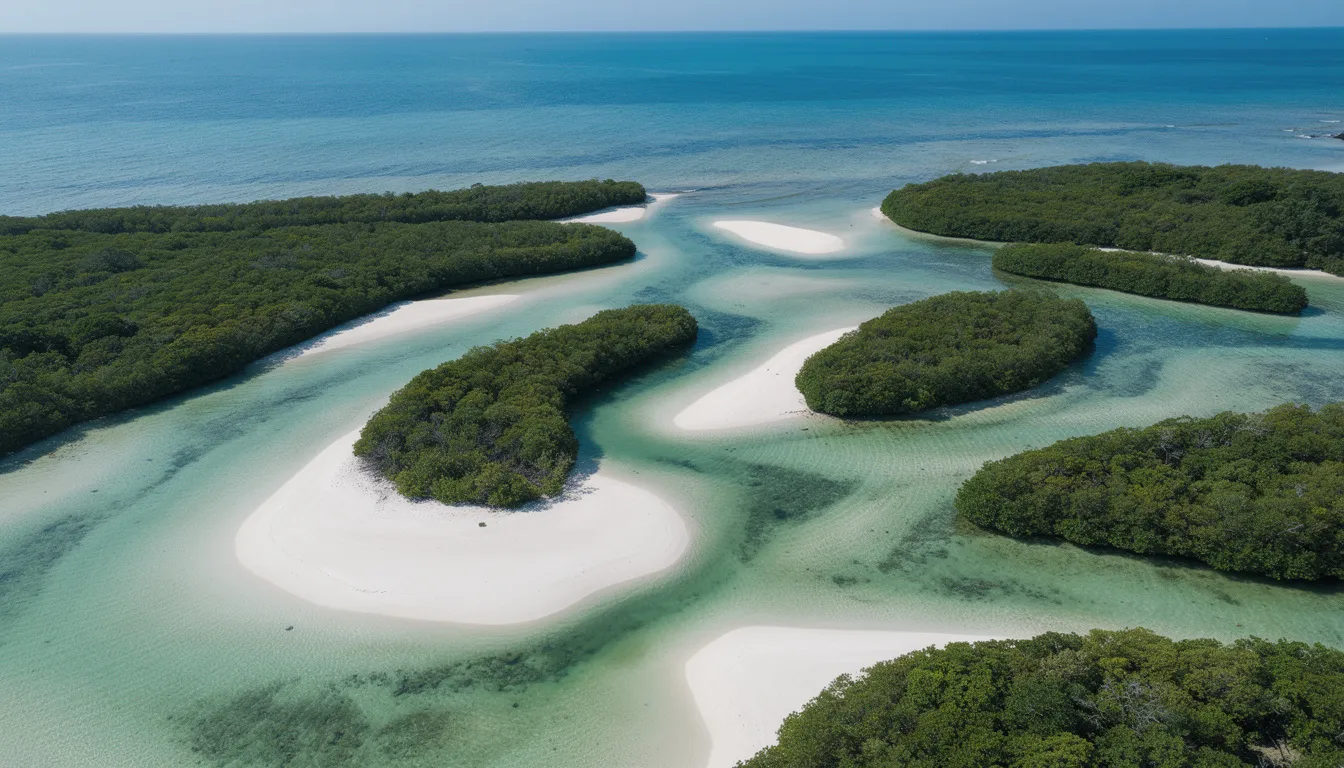
Finding Fish: Flats, Tides, and Weather
Success in fishing for bonefish comes down to showing up at the right flat, at the right stage of the tide, with the right visibility. Bonefish are often found cruising along the shoreline, where shallow water and structure provide both feeding opportunities and protection. Understand these variables and you’ll find bonefish. Ignore them and you’ll wonder why everyone else seems to be catching more fish.
Identifying Promising Flats
Not all shallow water holds bonefish. Look for:
-
Waist-deep or shallower areas with mixed turtle grass, sand, and scattered mangroves—this structure provides both food and cover
-
Edges and transitions: Bonefish travel along the line where dark grass meets light sand, or where flat bottom drops into a channel
-
Creeks, inlets, and mangrove cuts: These features act as feeding highways, concentrating fish as tides push water on and off the flats
Productive flats are often found adjacent to natural shoreline features, where bonefish move between feeding and resting areas. The best flats often have firm sand bottoms that make wading quiet and efficient. Deep mud exhausts you and spooks fish with every step.
Understanding Tides
Tides drive everything on the flats. Bonefish follow water—they push onto shallows as tides rise and retreat to deeper channels as water falls.
-
Use online tide charts as a starting point, but recognize that in remote islands they can be off by an hour or more due to local geography
-
Observe waterlines, exposed turtle grass, and current direction to fine-tune your understanding of local tide behavior
-
Focus efforts around the last of the incoming and first of the outgoing tide, when bonefish typically push onto or off the flats in predictable patterns
A flat that holds twenty fish at mid-tide might be completely empty two hours later. Timing isn’t everything, but it’s close.
Weather and Visibility
Spotting fish before they spot you defines flats fishing:
-
Clear skies and high sun create ideal sight-fishing conditions—shadows stand out against sand, and tailing bonefish flash in bright light
-
Wind ripple and patchy clouds hide fish and make spotting nearly impossible at distance
-
Wade with sun and wind at your back whenever possible to improve both spotting and casting accuracy
Polarized sunglasses with copper or amber lenses dramatically improve your ability to see bonefish and read depth. Cheap glasses won’t cut it—invest in quality optics.
Moving on the Flats
How you move matters as much as where you move:
-
Go slow: Scan constantly 30–60 feet ahead, stopping frequently to look for nervous water, mud plumes, or flashing tails
-
Watch for movement: Bonefish create subtle wakes when cruising, and their tails break the surface when they tip head-down to feed
-
Stay quiet: Choose hard sand over deep mud when possible, and avoid splashing or slapping water with your feet
Bonefish have an 80–90% spook rate on imperfect approaches. Every unnecessary step reduces your odds.
Essential Gear: Rods, Flies, and Performance Apparel
Bonefish gear prioritizes quick shots, salt durability, and all-day comfort in tropical heat. You don’t need a garage full of equipment—you need the right equipment, maintained properly.
Core Tackle
|
Component |
Recommendation |
Notes |
|---|---|---|
|
Rod |
9-foot, 8-weight fast-action |
Default choice for wind and versatility; 7-weight for calmer days |
|
Reel |
Large-arbor, sealed drag |
Minimum 150 yards of 20 lb backing |
|
Fly line |
Weight-forward tropical floating |
Aggressive taper for quick loading in wind |
|
Leader |
9–12 feet, 10–16 lb fluorocarbon |
Longer and lighter for spooky fish in bright water |
|
Your fly rods need enough backbone to punch weighted flies into 15–25 knot winds while loading quickly for accuracy. Fast-action blanks in the 8-weight range handle most Bahamas conditions. A 7-weight makes a fun option for calmer days and smaller fish but struggles when the wind builds. |
|
|
|
Reels must hold serious backing. Bonefish routinely peel 100+ yards of line at speeds approaching 30 mph. Sealed drags prevent salt intrusion and maintain consistent pressure through long runs. Don’t cheap out here—drag failure loses fish. |
|
|
Flies
Pattern selection mirrors local prey:
-
Shrimp imitations (tan, pink, or pearl with bead-chain eyes) cover most situations on turtle grass flats
-
Small crab patterns work in deeper channels or when targeting larger, solitary fish
-
Weight variation matters: Bead-chain eyes for skinny water, lead eyes for deeper presentations
Match fly weight to water depth. A heavy fly splashing down in six inches of water spooks every fish within fifty feet. Light flies in three feet of water never reach the bottom before bonefish lose interest.
Performance Apparel
Here’s what separates a productive eight-hour day from a sunburned four-hour ordeal:
-
Long-sleeve, UPF-rated, moisture-wicking shirts and hoodies: Blackbone Outfitters’ performance tops block UV while breathing in humid heat—essential when you’re covering miles on foot
-
Lightweight, quick-drying pants: Protect from sun, bugs, and mangrove scratches when bushwhacking to remote flats
-
Hats with dark under-brims: Reduce glare and improve fish-spotting ability
-
Sun gloves and neck gaiters: Minimize exposed skin and reduce cumulative fatigue from UV exposure
Breathable hoodies with four-way stretch make long hikes and repetitive casting sessions more comfortable than heavy cotton alternatives. When you can fish longer without overheating, you get more shots at fish.
Additional Essentials
-
Flats boots or sturdy wading shoes: Handle coral, urchins, and sharp shell without compromising your trip
-
Small waterproof pack or sling: Carry flies, leaders, water, snacks, and a compact rain shell
-
Lightweight rain jacket or wind shell: Handle sudden squalls and spray on skiff days

On the Flat: Casting, Presentation, and Fighting Bonefish
On the flats, opportunities come and go in seconds. Good casting and calm execution matter more than any single fly pattern. The angler who delivers an accurate cast under pressure catches fish. The angler who panics and throws wild loops goes home frustrated.
Casting Fundamentals
Practice before you travel:
-
Master 40–60 foot shots with minimal false casts: Wind and moving fish demand speed—two false casts maximum before delivery
-
Learn to cast off both shoulders: Crosswinds require adjusting your casting plane; being one-dimensional limits your shots
-
Perfect the double haul: This technique pulls line with both hands to generate speed and tight loops in wind—essential when conditions deteriorate
Bonefish demand accuracy over distance. A perfect 40-foot cast beats a sloppy 60-foot cast every time.
Presentation
Leading the fish correctly determines whether you get a take or a spook:
-
Lead by several feet: More distance for fast cruisers, less for stationary tailers
-
Land the fly softly: Heavy splashdowns send fish running
-
Let the fly sink, then strip: Begin short, steady strips that mimic a fleeing shrimp, pausing if the fish follows to close distance
For tailing bonefish feeding head-down, drop the fly 3–6 feet ahead and wait. Don’t strip until the fish’s nose approaches the fly, then execute one long, slow pull.
The Strip Strike
The strip strike separates saltwater anglers from trout anglers:
-
Keep the rod tip low: Lifting the rod pulls the fly away from or out of the fish’s mouth
-
Pinch the line against the grip: When you feel weight, strip firmly with your line hand
-
Raise the rod only after the fish runs: Once tension is established and the fish is moving, the rod comes up to fight
This sequence feels counterintuitive for anglers trained on trout. Practice it until it becomes automatic.
Fighting and Landing
Once hooked, bonefish run. Your job is to survive the chaos:
-
Clear slack line carefully onto the reel: Keep fingers away from spinning handles and line burns
-
Use steady side pressure to turn the fish: Avoid coral heads, mangrove roots, and sharp limestone that cut tippet
-
Keep fights short and release quickly: Support the fish gently underwater until it kicks away strongly
Proper clothing helps in these moments. Breathable, sun-protective hoodies keep sweat and glare out of your eyes during fast, high-pressure casts. Quick-dry fabrics let you kneel or crouch in water to stay low without staying wet and chilled when afternoon winds pick up.

Beyond Bonefish: Snapper, Barracuda, and Table Fare
When tides, light, or wind don’t favor flats bonefish, the Bahamas still offers excellent secondary targets and occasional fresh dinners. Versatility keeps you fishing when conditions change.
Targeting Snapper
Mutton snapper and other species hold around channel edges, reef drop-offs, and mangrove cuts:
-
Use longer leaders with lightly weighted shrimp or baitfish flies
-
Work structure edges where snapper ambush prey
-
Set the hook immediately and apply firm pressure to keep fish out of coral and roots
Snapper fight hard for their size and taste excellent—a legitimate backup plan when bonefish aren’t cooperating.
Barracuda and Predators
Long, flashy baitfish flies or tube flies retrieved quickly provoke violent strikes from barracuda patrolling flats edges:
-
Use a short section of wire or heavy mono bite tippet to prevent cut-offs
-
Strip fast—barracuda respond to speed and flash
-
Expect explosive strikes and short, powerful runs
Tarpon occasionally cruise Bahamas flats as well, offering shots at permit’s larger cousin when luck aligns.
Ethical Considerations for Table Fare
If keeping fish for dinner:
-
Understand local regulations and size limits before harvesting anything
-
Keep only what you can eat fresh that day—refrigeration in remote areas is limited
-
Sharing a catch with local families or hosts becomes part of the cultural exchange that makes travel meaningful
Fishing around reef and rock demands durable, quick-dry pants and long sleeves to guard against abrasion, sun, and spray. Versatile performance apparel from Blackbone Outfitters lets you shift from stalking bonefish on open flats to probing deeper channels without changing outfits mid-day.
Planning Your Trip. Travel, Licenses, and Packing Checklist
Even a one-week bonefish trip to the Bahamas is easier than many anglers assume, provided you handle documents, licenses, and packing in advance. With easy access from major U.S. airports, anglers can conveniently reach prime bonefishing destinations in the Bahamas, making travel planning straightforward and hassle-free.
Travel Logistics
-
Passport requirements: U.S., Canadian, and UK citizens typically don’t need a visa for short stays but must carry a valid passport with blank pages and a return ticket—verify current rules before booking
-
Common gateways: Direct or short-connection flights from Florida reach Nassau, Freeport, Marsh Harbour, Congo Town, and other local airports; Miami serves as the primary hub for connections to remote islands
-
Inter-island travel: Smaller airlines and charter services connect major hubs to family islands—book early during peak season
Fishing Licenses and Regulations
-
A Bahamian fishing license is required for non-resident anglers
-
Many islands allow online purchase or simple in-person registration at government agencies or lodges
-
Check current government websites or ask your lodge/host in advance to streamline the process
Packing Checklist
Performance Apparel
-
3–4 lightweight, UPF-rated long-sleeve shirts
-
Sun hoodie (BlackBone Outfitters’ performance hoodies work perfectly)
-
Quick-dry pants or shorts
-
Sun gloves
-
Wide-brimmed hat with dark under-brim
Footwear
-
Dedicated flats boots or sturdy wading shoes with gravel guards
-
Casual sandals or boat shoes for evenings
Accessories
-
Polarized sunglasses (bring a spare pair)
-
Neck gaiter
-
Compact rain shell
-
Light pack or sling
-
Reusable water bottle
-
Reef-safe sunscreen
Daily Rhythm
Structure your fishing around conditions:
-
Early start: Hit the flats at first light with the right tide stage
-
Midday break: If heat and glare become intense, rest and hydrate
-
Late afternoon session: Return as light angles soften and fish resume feeding
Breathable, moisture-wicking clothing helps you fish through midday windows that others abandon due to heat. When your apparel works, you spend more time hunting bonefish and less time recovering from sunburn or fatigue.
FAQ... Practical Questions About Fly Fishing Bonefish in The Bahamas
What is the best time of year to fly fish for bonefish in The Bahamas?
Bonefishing runs year-round in the Bahamas, but seasonal nuances affect your experience:
-
Late October to April: Cooler temperatures and steady trade winds make wading comfortable; occasional cold fronts bring clouds and challenging conditions but also concentrate fish in predictable locations
-
May to July: Warmer, often calmer conditions with excellent visibility; hotter days demand serious sun protection and consistent hydration
-
August to September: Peak hurricane season introduces weather risk; fishing can be excellent between systems, but flexible travel plans are essential
Most anglers target the November–April window for predictable weather and comfortable temperatures.
Do I really need specialized clothing, or can I fish in regular t-shirts and shorts?
You can fish in basic clothing, but you’ll regret it:
-
Cotton holds sweat, feels heavy when wet, and offers minimal UV protection—increasing sunburn risk and fatigue
-
Purpose-built, UPF-rated, moisture-wicking tops and hoodies from Blackbone Outfitters keep skin protected, dry quickly after wading, and stay comfortable in high humidity
-
Long sleeves, hoods, and sun gaiters reduce the amount of sunscreen needed, benefiting both your skin and the marine environment
After one day of fishing in cotton, most anglers never make that mistake again.
Is The Bahamas a good place for my first saltwater fly fishing trip?
The Bahamas ranks among the best beginner-friendly saltwater destinations:
-
Abundant bonefish populations mean plenty of shots and learning opportunities each day
-
Many islands feature protected, wadeable flats where beginners can practice without dangerous surf or currents
-
Friendly local guides and straightforward travel from the U.S. make logistics manageable
If you can cast 40 feet accurately and follow instructions, you can catch your first bonefish in the Bahamas.
Can I combine DIY fishing with a few days at a lodge or with a guide?
Mixing formats is common and often ideal:
-
Book a couple of days with a local guide early in the trip to learn the area, tides, and presentation nuances
-
Apply that knowledge to fish DIY for the rest of your stay, returning to productive flats and refining learned techniques
-
This approach balances cost with education and maximizes overall success, especially for new challenges in bonefish fly fishing
Many anglers seeking the best of both worlds split trips between a fishing lodge and independent exploration.
What physical fitness level do I need for a DIY flats bonefishing trip?
Moderate fitness is usually sufficient, but specifics matter:
-
DIY flats fishing often involves walking several miles per day on uneven, sometimes soft bottom, plus wading against light current
-
Heat and sun exposure amplify physical demands, making hydration and light, breathable clothing critical
-
If you’re not used to walking long distances, start conditioning with regular walks before your trip and choose harder-bottom flats over deep mud to reduce strain
The fun of DIY fishing comes with the physical reality of covering ground on foot. Prepare accordingly, and you’ll fish harder and longer than anglers who didn’t.
The Bahamas offers something increasingly rare in the fishing world: miles of unpressured flats, fish that have never seen a fly, and the freedom to explore on your own terms. Whether you book a week at a guided fishing operation or pack a rental car with wading gear and chase your own adventure, the bones are waiting.
Pack smart. Fish hard. And when the tropical sun tries to end your day early, make sure your gear—from your fly rods to your sun hoodie—keeps you on the water where you belong.